
Which information is most important for the practical nurse (PN) to relay to the registered nurse (RN) concerning a 24-hour-old infant?
The mother has changed 3 wet diapers.
The infant has not emptied a 3 oz formula bottle.
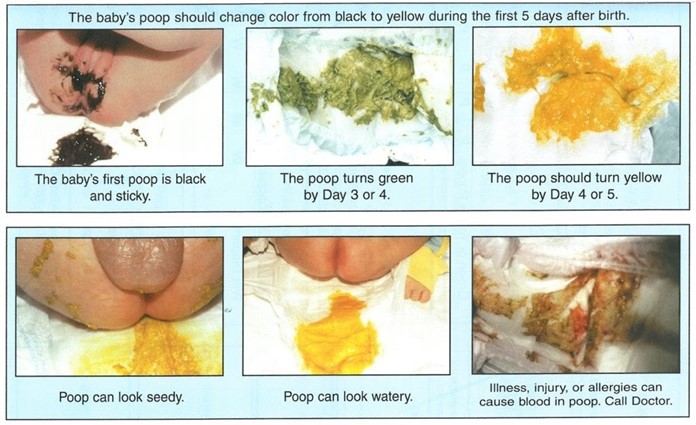
The infant has not passed meconium stool.
The mother has used the bulb syringe.
The Correct Answer is C
Passage of meconium stool is a normal and expected event in the first 24-48 hours of life. The absence of meconium stool can be indicative of bowel obstruction or other underlying medical conditions, and requires further investigation and evaluation by the healthcare team. The other options are important pieces of information, but they do not carry the same level of urgency as the absence of meconium stool.
Nursing Test Bank
Naxlex Comprehensive Predictor Exams
Related Questions
Correct Answer is C
Explanation
The umbilical cord prolapse is an emergency situation that requires immediate intervention. The PN should not attempt to push the cord back into the vagina or cover it with a dry sterile dressing. Instead, the PN should notify the healthcare provider and the obstetrical team and assist in preparing for an emergency cesarean delivery.
Option A and B may be appropriate in some situations, but they are not the priority in this scenario.
Therefore, options A, B, and D are not answers because they do not address the immediate emergency of umbilical cord prolapse.
Correct Answer is B
Explanation
The information that poses the greatest risk for developing postpartum endometritis in this situation is that the client experienced spontaneous rupture of membranes (SROM) for 36 hours prior to delivery. SROM for an extended period of time increases the risk of infection, including postpartum endometritis, which is an infection of the uterus. The practical nurse (PN) should recognize this risk factor and monitor the client closely for signs of infection. The other information listed may also be important to consider, but SROM for 36 hours poses the greatest risk for developing postpartum endometritis in this situation.
Whether you are a student looking to ace your exams or a practicing nurse seeking to enhance your expertise , our nursing education contents will empower you with the confidence and competence to make a difference in the lives of patients and become a respected leader in the healthcare field.
Visit Naxlex, invest in your future and unlock endless possibilities with our unparalleled nursing education contents today