
The practical nurse (PN) notes several nutritional goals in a standardized plan of care used in the antepartum clinic. Which client goal takes priority?
Uses the pregnancy food pyramid when making meal choices.
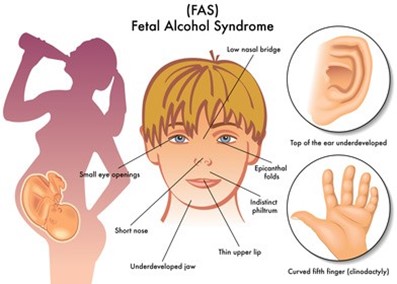
Recognizes the dangers of alcohol use during pregnancy.
Achieves the desired weight gain for each trimester.
Prepares a diet history for use in analyzing her own diet.
The Correct Answer is B
The priority goal for the practical nurse (PN) in the antepartum clinic is to ensure that the client recognizes the dangers of alcohol use during pregnancy. Alcohol consumption during pregnancy can lead to fetal alcohol syndrome and other developmental disorders. It is important for the client to understand the risks associated with alcohol use and to avoid it during pregnancy. The other goals are also important but recognizing the dangers of alcohol use takes priority.
Nursing Test Bank
Naxlex Comprehensive Predictor Exams
Related Questions
Correct Answer is D
Explanation
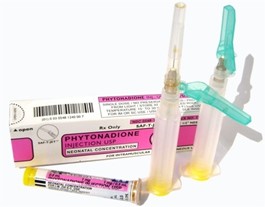
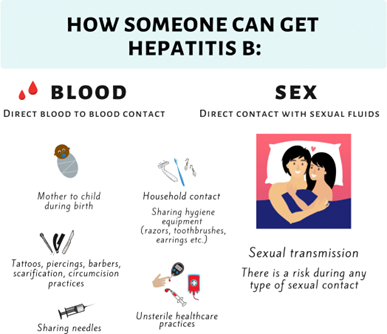
The best response for the PN to provide is that **an immunization may be administered for hepatitis B, and a consent form must be signed**. Phytonadione is a form of vitamin K that is given to newborns to prevent vitamin K deficiency bleeding (VKDB)¹. Vitamin K should be administered to all newborn infants weighing>1500 g as a single, intramuscular dose of 1 mg within 6 hours of birth¹. However, this is not the only injection your baby may receive while in the newborn nursery. An immunization for hepatitis B may also be administered before you can go home⁴.
Correct Answer is B
Explanation
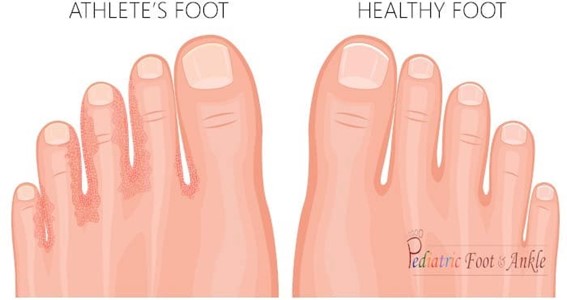
The PN should inform the client that athlete's foot is a fungal infection and that antibiotics are not effective against fungi. The client needs to use an antifungal medication to treat the infection. The other options are not accurate or appropriate responses.
Antibiotics take a week to be effective against the infection (A) is not accurate because antibiotics are not effective against fungal infections.
When the itching stops, continue to use the ointment for two weeks (C) is not appropriate because the client is using the wrong type of medication.
A thick layer of the medication is needed to stop the itching (D) is not accurate because the client is using the wrong type of medication.
Whether you are a student looking to ace your exams or a practicing nurse seeking to enhance your expertise , our nursing education contents will empower you with the confidence and competence to make a difference in the lives of patients and become a respected leader in the healthcare field.
Visit Naxlex, invest in your future and unlock endless possibilities with our unparalleled nursing education contents today