
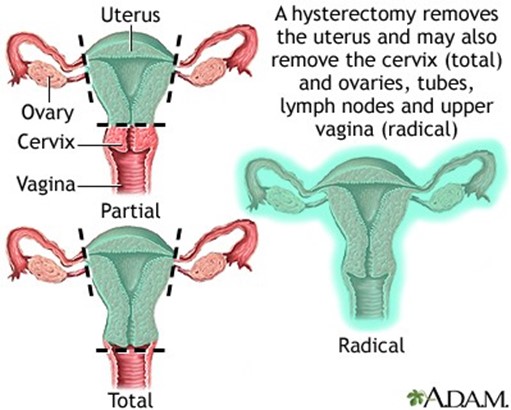
Following a hysterectomy, an older adult's complete metabolic panel findings indicate that her magnesium level is low. To help increase the client's magnesium level, the PN should suggest that the client increase her intake of which food?
Fresh fruit.
Carbonated soda drinks.
Dairy products.
Protein in fish.
The Correct Answer is D
To help increase an older adult's magnesium level following a hysterectomy, the practical nurse (PN) should suggest that the client increase her intake of protein in fish. Fish is a good source of magnesium, which is an essential mineral that plays a role in many bodily functions. Increasing the intake of magnesium-rich foods such as fish can help raise the client's magnesium level and improve her overall health. The other foods listed may also provide some nutritional benefits, but fish is the best choice for increasing magnesium intake in this situation.
Nursing Test Bank
Naxlex Comprehensive Predictor Exams
Related Questions
Correct Answer is D
Explanation
The PN should acknowledge the client's emotional state and allow him to express his feelings while also obtaining more information about the situation. By asking the client to share what he was told by the healthcare provider, the PN can gain a better understanding of the client's knowledge of the disease and provide appropriate education and support. Options A, B, and C are incorrect because they do not address the client's emotional state or provide helpful information to the PN in this situation.
Correct Answer is B
Explanation
The information that poses the greatest risk for developing postpartum endometritis in this situation is that the client experienced spontaneous rupture of membranes (SROM) for 36 hours prior to delivery. SROM for an extended period of time increases the risk of infection, including postpartum endometritis, which is an infection of the uterus. The practical nurse (PN) should recognize this risk factor and monitor the client closely for signs of infection. The other information listed may also be important to consider, but SROM for 36 hours poses the greatest risk for developing postpartum endometritis in this situation.
Whether you are a student looking to ace your exams or a practicing nurse seeking to enhance your expertise , our nursing education contents will empower you with the confidence and competence to make a difference in the lives of patients and become a respected leader in the healthcare field.
Visit Naxlex, invest in your future and unlock endless possibilities with our unparalleled nursing education contents today