
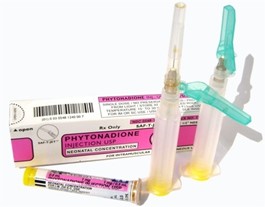
A normal newborn is admited to the nursery and receives an injection of Phytonadione. The father is watching the nurse administer the injection and asks the practical nurse (PN), "Will my baby get another injection before we can go home?"
Which response is best for the PN to provide?
This is the only required injection your baby has to receive while in the newborn nursery.
Blood specimens will be collected to test for glucose levels and if low, glucose injection is given.
If your newborn gets sick or has a complication, injectable therapy may be prescribed and given.
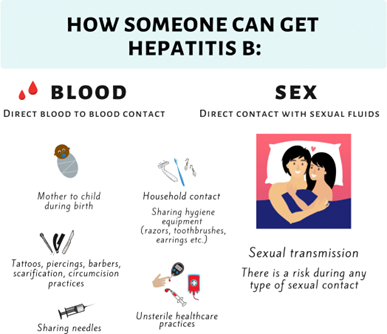
An immunization may be administered for hepatitis B, and a consent form must be signed.
The Correct Answer is D
The best response for the PN to provide is that **an immunization may be administered for hepatitis B, and a consent form must be signed**. Phytonadione is a form of vitamin K that is given to newborns to prevent vitamin K deficiency bleeding (VKDB)¹. Vitamin K should be administered to all newborn infants weighing>1500 g as a single, intramuscular dose of 1 mg within 6 hours of birth¹. However, this is not the only injection your baby may receive while in the newborn nursery. An immunization for hepatitis B may also be administered before you can go home⁴.
Nursing Test Bank
Naxlex Comprehensive Predictor Exams
Related Questions
Correct Answer is B
Explanation
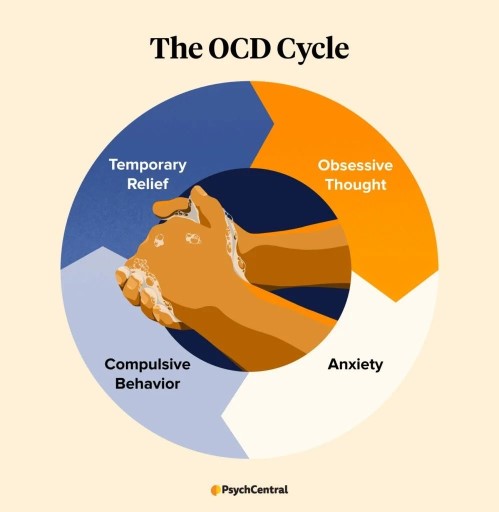
This is the most appropriate intervention for the PN to implement when approaching a client who is exhibiting compulsive behavior. By allowing time for the behavior, the PN acknowledges the client's need to perform the behavior and avoids creating further stress for the client. Redirecting the client to other activities can also help to refocus the client's behavior and prevent further compulsive behavior.
Encouraging the client to be calm and relax for a little while (A) may not be effective in managing the compulsive behavior.
Teaching the client thought-stopping techniques and ways to refocus behaviors (C) and assisting the client to identify stimuli that precipitate the activity (D) are interventions that may be used in the long term, but they may not be immediately effective in managing the client's behavior in the moment.
Correct Answer is B
Explanation
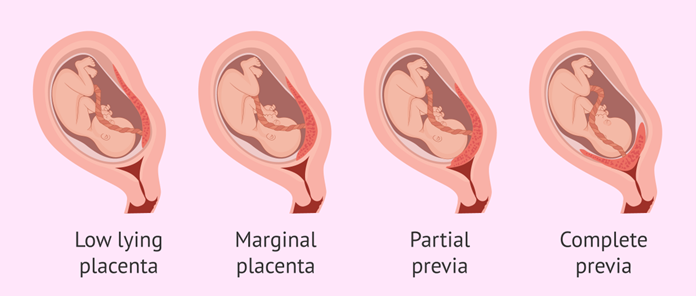
Placenta previa is a condition in which the placenta partially or completely covers the cervix, which can lead to vaginal bleeding during pregnancy. In severe cases, this bleeding can be life-threatening and can lead to hemorrhage. Therefore, the PN should closely monitor the client for any signs of bleeding or hemorrhage, such as excessive vaginal bleeding, hypotension, tachycardia, or signs of shock. The PN should also ensure that the client receives appropriate medical interventions and that emergency measures are in place in case of sudden bleeding or hemorrhage.
Whether you are a student looking to ace your exams or a practicing nurse seeking to enhance your expertise , our nursing education contents will empower you with the confidence and competence to make a difference in the lives of patients and become a respected leader in the healthcare field.
Visit Naxlex, invest in your future and unlock endless possibilities with our unparalleled nursing education contents today