
The practical nurse (PN) is interviewing a middle-aged married male who is being treated for depression and reports an increasing lack of interest in sexual intimacy with his wife. Which information is most important for the PN to obtain?
List of medications currently being taken.
Do they have a history of marital discord.
Usual frequency of sexual activity.
Amount of daily alcohol consumption.
The Correct Answer is A
The fact that the patient is being treated for depression and is currently taking an antidepressant medication suggests that his loss of interest in sexual intimacy may be related to his medication. Certain antidepressants can cause sexual dysfunction, including decreased libido.
Therefore, obtaining a list of medications currently being taken (A) is the most important information for the PN to obtain. While marital discord (B), frequency of sexual activity (C), and alcohol consumption (D) may be relevant information, they are not as directly related to the patient's current complaint as his medication use.
Nursing Test Bank
Naxlex Comprehensive Predictor Exams
Related Questions
Correct Answer is D
Explanation
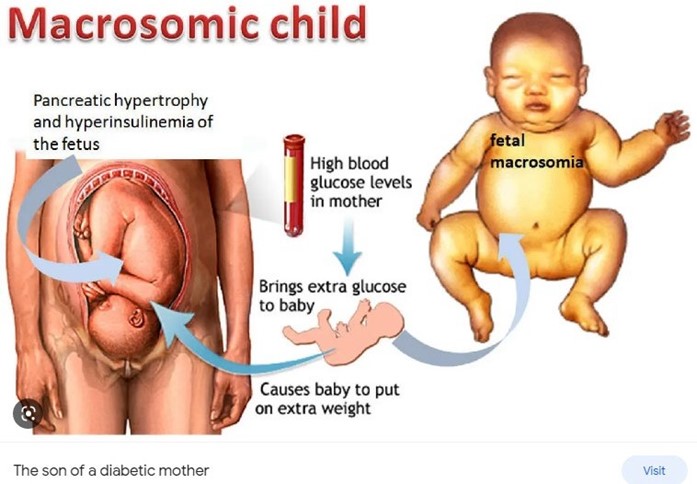
Gestational diabetes mellitus (GDM) is a type of diabetes that occurs during pregnancy. If euglycemia, or normal blood glucose levels, is not maintained during pregnancy, the fetus can be at risk for a number of complications. The greatest risk to the fetus in this situation is the development of a macrosomic newborn, or a newborn that is significantly larger than average. This occurs because the excess glucose in the mother's bloodstream is passed on to the fetus, leading to excessive fetal growth.
Macrosomia can lead to complications during delivery, such as shoulder dystocia, and can increase the risk of injury to both the mother and the baby. While low birth weight and preterm birth are also potential complications of GDM, macrosomia is considered the greatest risk to the fetus if euglycemia is not maintained. Cleft palate is not typically associated with GDM.
Correct Answer is C
Explanation
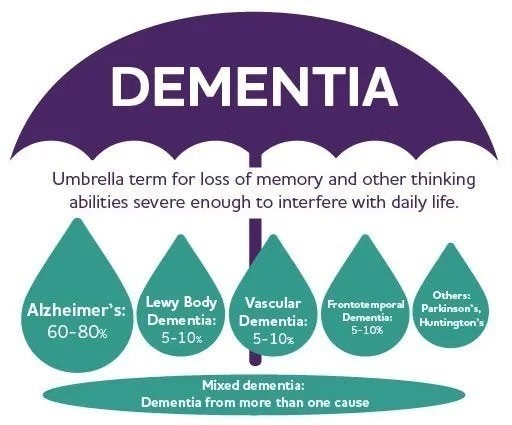
Restlessness, confusion, and agitation are common symptoms of dementia, particularly in the evening, a phenomenon known as sundowning. Therefore, the PN should implement interventions that can help to prevent or minimize these symptoms. Assigning the client to a room close to the nurses' station can help to provide constant observation and reassurance and can help to prevent the client from wandering or becoming disoriented.
A. Delaying administration of nighttime medications until after visitors have left may be appropriate, but it is not the first intervention to be implemented in this scenario.
B. Administering a prescribed PRN benzodiazepine at the onset of a confused state may be appropriate in some cases, but it should not be the first intervention to be implemented in this scenario.
D. Asking family members about how they dealt with the client in the evening may be helpful, but it is not the first intervention to be implemented in this scenario.
Whether you are a student looking to ace your exams or a practicing nurse seeking to enhance your expertise , our nursing education contents will empower you with the confidence and competence to make a difference in the lives of patients and become a respected leader in the healthcare field.
Visit Naxlex, invest in your future and unlock endless possibilities with our unparalleled nursing education contents today