
A client at the mental health center reports difficulty concentrating at work, feeling very tired during the day, and sleeping 4 to 5 hours at night. To further assess for depression, which question is most important for the practical nurse (PN) to ask?
Have you experienced recent stresses?
Have you experienced sleep changes?
What foods have you been eating lately?
Do you often feel sad?
The Correct Answer is D
Feeling sad or having a depressed mood is a common symptom of depression. Asking the client if they often feel sad can help the practical nurse (PN) assess for depression.
While recent stresses (A), sleep changes (B), and dietary habits (C) may also be relevant to the client's situation, asking if the client often feels sad is the most important question for the PN to ask in order to further assess for depression.
Nursing Test Bank
Naxlex Comprehensive Predictor Exams
Related Questions
Correct Answer is C
Explanation
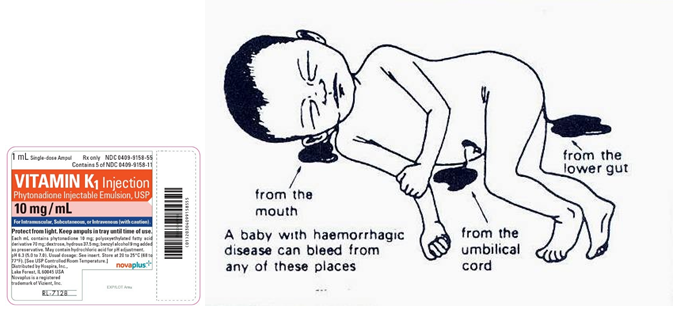
Phyto menadione injectable, also known as vitamin K1, is commonly given to newborns to prevent hemorrhagic disease of the newborn (HDN), a bleeding disorder that can occur due to vitamin K deficiency in the first few days of life. Vitamin K is important for the production of clotting factors in the liver, and newborns are at risk of vitamin K deficiency because it does not cross the placenta well and their intestinal flora is not yet established. The other options do not accurately describe the purpose of administering Phyto menadione injectable to newborns.
Correct Answer is B
Explanation
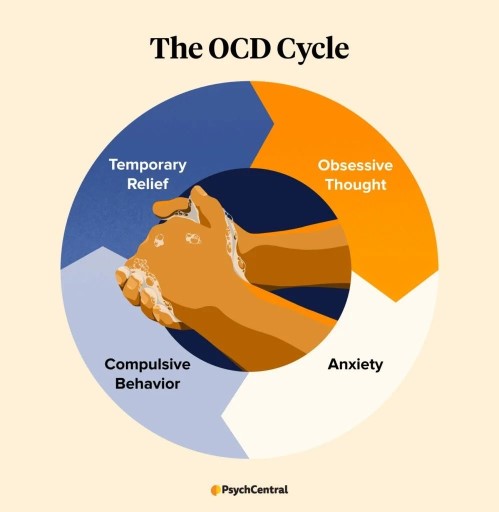
This is the most appropriate intervention for the PN to implement when approaching a client who is exhibiting compulsive behavior. By allowing time for the behavior, the PN acknowledges the client's need to perform the behavior and avoids creating further stress for the client. Redirecting the client to other activities can also help to refocus the client's behavior and prevent further compulsive behavior.
Encouraging the client to be calm and relax for a little while (A) may not be effective in managing the compulsive behavior.
Teaching the client thought-stopping techniques and ways to refocus behaviors (C) and assisting the client to identify stimuli that precipitate the activity (D) are interventions that may be used in the long term, but they may not be immediately effective in managing the client's behavior in the moment.
Whether you are a student looking to ace your exams or a practicing nurse seeking to enhance your expertise , our nursing education contents will empower you with the confidence and competence to make a difference in the lives of patients and become a respected leader in the healthcare field.
Visit Naxlex, invest in your future and unlock endless possibilities with our unparalleled nursing education contents today