
During the inspection of a client's abdomen, the nurse notes that it is visibly distended. The nurse should proceed with the client's abdominal assessment by next performing:
percussion.
deep palpation.
auscultation.
light palpation.
The Correct Answer is C
Choice A rationale: Percussion is typically performed after auscultation in the abdominal assessment sequence.
Choice B rationale: Deep palpation is usually performed after light palpation in the abdominal assessment sequence.
Choice C rationale: Auscultation is the next step in the abdominal assessment sequence after inspection. Assessing bowel sounds is crucial before moving on to other assessment techniques.
Choice D rationale: Light palpation is often the initial step in the abdominal assessment sequence, followed by auscultation.
Nursing Test Bank
Naxlex Comprehensive Predictor Exams
Related Questions
Correct Answer is C
Explanation
Choice A rationale: Using enemas should not be the first response to constipation. There are various types of laxatives with different mechanisms of action that can be tried before resorting to enemas.
Choice B rationale: Habitual laxative use can contribute to chronic constipation, but it is not the most common cause. It is essential to identify and address the underlying cause of constipation.
Choice C rationale: If laxatives are not effective, trying a laxative with a different mechanism of action may be more successful in relieving constipation.
Choice D rationale: Chronic constipation should be assessed and addressed, as it can lead to complications and should not be dismissed as insignificant.
Correct Answer is ["A","D","E"]
Explanation
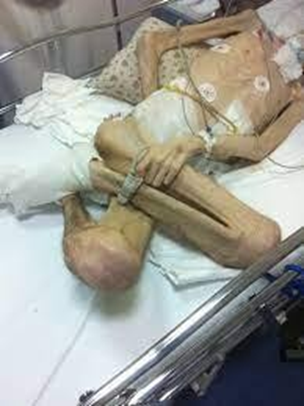
Choice A rationale: Contractures are a common complication of immobility due to the shortening of muscles and connective tissues.
Choice B rationale: Diarrhea is not typically associated with complications of immobility.
Choice C rationale: Polyuria is not typically associated with complications of immobility.
Choice D rationale: Atelectasis, the collapse of lung tissue, can occur in immobile clients due to reduced lung expansion and ventilation.
Choice E rationale: Pressure ulcers are a significant risk in immobile clients due to prolonged pressure on specific areas of the body.
Whether you are a student looking to ace your exams or a practicing nurse seeking to enhance your expertise , our nursing education contents will empower you with the confidence and competence to make a difference in the lives of patients and become a respected leader in the healthcare field.
Visit Naxlex, invest in your future and unlock endless possibilities with our unparalleled nursing education contents today