
During intake assessment, the nurse is most likely to hear a client with major depressive disorder say which of the following statements about depression? (SELECT ALL THAT APPLY)
I’d rather be dead than living like this. I do not want to be alive.
If I can just keep ignoring feelings.
I deserve to be this way. I’ve not accomplished anything important in my life.
This is a bad episode, but I will be well soon.
I am determined to fight this episode and get through it.
Correct Answer : A,C,D
Choice A Reason:
“I’d rather be dead than living like this. I do not want to be alive.”
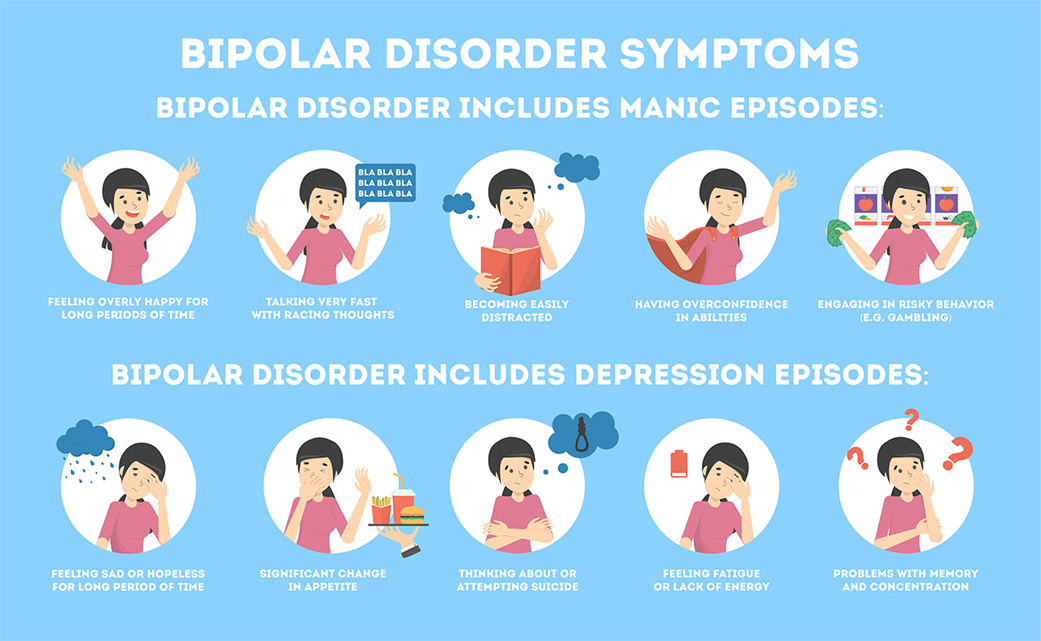
This statement reflects a common symptom of major depressive disorder, which is suicidal ideation. Individuals with major depressive disorder often experience feelings of hopelessness and worthlessness, leading them to believe that life is not worth living. This statement is a clear indication of the severity of the individual’s depressive symptoms and the need for immediate intervention to ensure their safety.
Choice B Reason:
“If I can just keep ignoring feelings.”
This statement is less likely to be heard from a client with major depressive disorder. Ignoring feelings is a coping mechanism that some individuals might use, but it does not directly reflect the core symptoms of major depressive disorder, which include persistent sadness, loss of interest in activities, and significant impairment in daily functioning. Therefore, this choice is not as indicative of major depressive disorder as the other statements.
Choice C Reason:
“I deserve to be this way. I’ve not accomplished anything important in my life.”
This statement reflects feelings of guilt and worthlessness, which are common symptoms of major depressive disorder. Individuals with this disorder often have a negative self-view and believe that they are failures or that they deserve to suffer. This statement highlights the individual’s low self-esteem and the pervasive negative thoughts that characterize major depressive disorder.
Choice D Reason:
“This is a bad episode, but I will be well soon.”
This statement reflects a more optimistic outlook, which is less common in individuals with major depressive disorder. However, it can still be heard from some clients who experience episodic depression and have hope for recovery. This statement indicates that the individual recognizes their current state as temporary and believes in the possibility of improvement, which can be a positive sign in the context of treatment.
Choice E Reason:
“I am determined to fight this episode and get through it.”
This statement reflects a proactive and positive attitude towards managing depression, which is less characteristic of major depressive disorder. While determination and resilience are important for recovery, individuals with major depressive disorder often struggle with motivation and energy, making it difficult for them to adopt such a mindset. Therefore, this choice is less likely to be heard from a client with major depressive disorder.
Nursing Test Bank
Naxlex Comprehensive Predictor Exams
Related Questions
Correct Answer is A
Explanation
a. Cardiac dysrhythmia resulting in cardiac arrest
Explanation of Choices
Choice A Reason: Cardiac Dysrhythmia Resulting in Cardiac Arrest
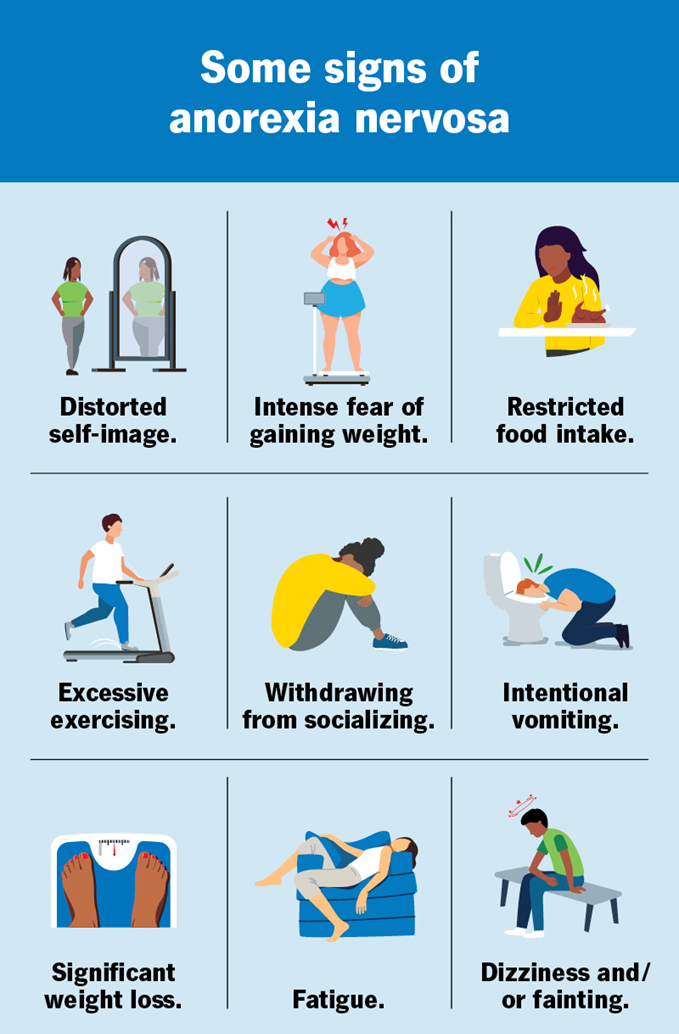
Cardiac dysrhythmias, or irregular heartbeats, are a significant health complication associated with anorexia nervosa. These dysrhythmias can result from electrolyte imbalances, particularly low potassium levels (hypokalemia), which are common in individuals with anorexia due to malnutrition and purging behaviors. Severe dysrhythmias can lead to cardiac arrest, making this one of the most critical and potentially fatal complications of anorexia nervosa. The heart muscle can weaken due to prolonged malnutrition, leading to a condition known as myocardial atrophy, which further increases the risk of cardiac complications.
Choice B Reason: Endocrine Imbalance Causing Amenorrhea
Amenorrhea, or the absence of menstruation, is a common endocrine complication in females with anorexia nervosa. This condition occurs due to the body’s response to severe weight loss and malnutrition, which disrupts the normal production of reproductive hormones. While amenorrhea is a significant health issue, it is not as immediately life-threatening as cardiac dysrhythmias. Amenorrhea can lead to long-term complications such as infertility and osteoporosis but does not typically result in acute medical emergencies.
Choice C Reason: Decreased Metabolism Causing Cold Intolerance
Decreased metabolism and cold intolerance are common symptoms in individuals with anorexia nervosa. The body reduces its metabolic rate in response to prolonged starvation to conserve energy. This can lead to a lower body temperature and increased sensitivity to cold. While uncomfortable and indicative of severe malnutrition, decreased metabolism and cold intolerance are not as immediately dangerous as cardiac dysrhythmias. These symptoms reflect the body’s adaptation to a state of energy deficiency but do not pose an immediate threat to life.
Choice D Reason: Glucose Intolerance Resulting in Hypoglycemia
Hypoglycemia, or low blood sugar, can occur in individuals with anorexia nervosa due to inadequate food intake. However, glucose intolerance and hypoglycemia are less common and less severe complications compared to cardiac dysrhythmias. Hypoglycemia can cause symptoms such as dizziness, confusion, and fainting, but it is typically manageable with appropriate nutritional support. It does not carry the same immediate risk of fatality as cardiac dysrhythmias.
.
Correct Answer is D
Explanation
Choice A Reason: Is not responding to other clients on the unit.
While a lack of response to other clients can indicate social withdrawal and isolation, which are common in depressive episodes, it does not necessarily indicate an immediate risk to the client’s safety. This behavior is concerning but does not require the highest priority intervention compared to other behaviors that may indicate a risk of self-harm or suicidal ideation.
Choice B Reason: Is refusing to take their prescribed mood stabilizer.
Refusing medication is a significant concern as it can lead to worsening of symptoms and destabilization of the client’s condition. However, this behavior does not indicate an immediate risk to the client’s safety. The nurse should address this issue promptly, but it is not the highest priority compared to behaviors that suggest suicidal ideation.
Choice C Reason: Angrily argues with another client stating, “God is dead.”
This behavior indicates agitation and potential conflict with others, which can be problematic in a clinical setting. However, it does not directly suggest an immediate risk to the client’s safety. The nurse should intervene to de-escalate the situation and provide support, but this is not the highest priority compared to signs of suicidal ideation.
Choice D Reason: States, “There is no future when you feel so depressed.”
This statement is highly concerning as it indicates feelings of hopelessness and potential suicidal ideation. Expressions of hopelessness and statements about the future being bleak are significant risk factors for suicide. The nurse should prioritize this behavior for immediate intervention to assess the client’s risk of self-harm and provide appropriate support and safety measures.
Whether you are a student looking to ace your exams or a practicing nurse seeking to enhance your expertise , our nursing education contents will empower you with the confidence and competence to make a difference in the lives of patients and become a respected leader in the healthcare field.
Visit Naxlex, invest in your future and unlock endless possibilities with our unparalleled nursing education contents today