
A client who has just been raped arrives at the Emergency Room. The client is crying, pacing and cursing their attacker. Which is the priority therapeutic statement for the nurse to make?
"The police will want to interview you."
"I will call your spouse."
"We'll have to take photographs of those wounds."
"You are safe now."
The Correct Answer is D
D. This statement prioritizes the client's immediate emotional needs by providing reassurance, validation, and a sense of safety in a traumatic situation. It acknowledges the client's distress and communicates empathy and support, which are essential for building trust and rapport and facilitating the client's emotional healing process.
A. The client may feel overwhelmed by the prospect of speaking to the police at that moment, and it may not be the most therapeutic statement to prioritize.
B. Contacting the client's spouse may provide emotional support and assistance, but it may not be the priority therapeutic statement in this situation.
C. The client may already be feeling vulnerable and exposed, and discussing the need for photographs may exacerbate feelings of distress or discomfort.
Nursing Test Bank
Naxlex Comprehensive Predictor Exams
Related Questions
Correct Answer is B
Explanation
B. Airborne precautions are used for diseases that can be transmitted through tiny respiratory droplets that remain in the air for extended periods. Examples include tuberculosis and measles. Given the symptom of coughing up blood and the possibility of an infectious respiratory disease, initiating airborne precautions could be warranted.
A. Droplet precautions are typically implemented for diseases that spread through respiratory droplets, such as influenza or pertussis. However, coughing up blood suggests a more serious condition that may not be adequately addressed by droplet precautions alone.
C. Positive pressure rooms are typically used in healthcare settings to prevent outside air from entering the room, thus reducing the risk of airborne contaminants. While this measure can be beneficial for certain conditions, such as those requiring airborne precautions, it may not be the priority intervention.
D. Neutropenic precautions are implemented for patients with compromised immune systems, particularly those with low white blood cell counts (neutropenia). While this precaution is important for protecting immunocompromised patients from infections, it may not be the priority intervention.
Correct Answer is B
Explanation
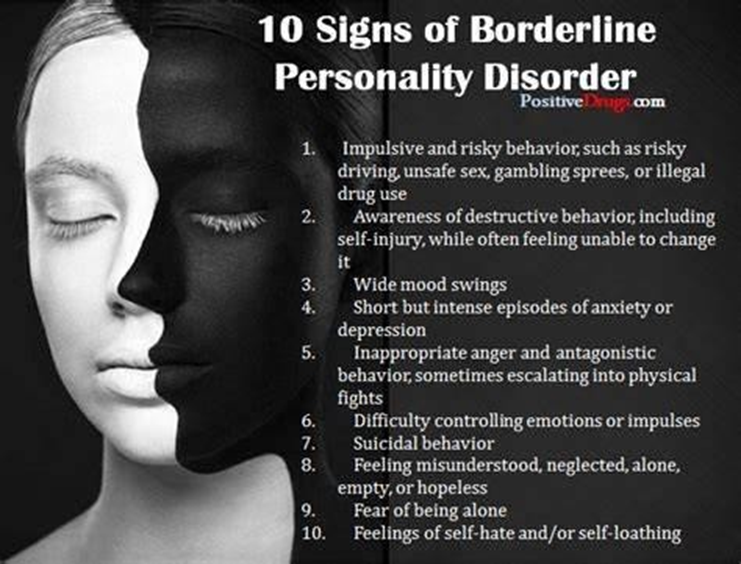
B. Individuals with borderline personality disorder may exhibit behavior that generates conflict among staff members or within their interpersonal relationships. They may have difficulty regulating emotions, experience intense mood swings, and engage in impulsive or manipulative behaviors that contribute to conflicts with others.
A. Individuals with borderline personality disorder often struggle with interpersonal relationships and may have difficulty maintaining stable and healthy connections with others.
C. Suspiciousness of others is not a primary characteristic of borderline personality disorder.
D. Bizarre speech patterns are not typically associated with borderline personality disorder.
Whether you are a student looking to ace your exams or a practicing nurse seeking to enhance your expertise , our nursing education contents will empower you with the confidence and competence to make a difference in the lives of patients and become a respected leader in the healthcare field.
Visit Naxlex, invest in your future and unlock endless possibilities with our unparalleled nursing education contents today