
Which of the following assessment findings would lead the nurse to suspect the client has a venous ulcer to the right lower extremity? (SELECT ALL THAT APPLY)
irregular wound borders
distinct wound borders to plantar aspect of foot
Patient reports 9 (0-10) scale to area
minimal serous drainage
+3 edema to the mid-calf
Correct Answer : A,E
A. Venous ulcers often have irregular wound borders. This is due to the underlying venous hypertension and tissue breakdown, which can lead to irregular shapes of the ulcer.
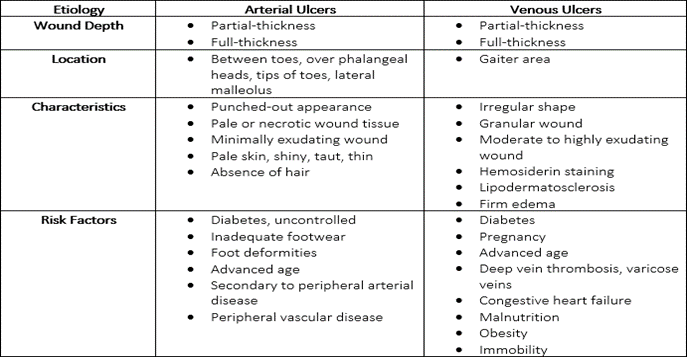
E. Significant edema, particularly in the lower leg and ankle area (often graded as +2 or +3), is commonly associated with venous ulcers. Venous insufficiency leads to fluid accumulation in the tissues, resulting in edema.
B. This is less likely to be associated with a venous ulcer. Venous ulcers typically occur on the lower leg, particularly around the medial or lateral malleolus, rather than on the plantar aspect of the foot.
C. Severe pain, especially on a scale of 9 out of 10, is less typical of venous ulcers. Venous ulcers are usually associated with mild to moderate discomfort or pain, often described as aching or heaviness rather than severe pain.
D. Venous ulcers typically exhibit moderate to heavy serous drainage. This is due to the chronic inflammation and venous congestion that characterize venous insufficiency.
Nursing Test Bank
Naxlex Comprehensive Predictor Exams
Related Questions
Correct Answer is B
Explanation
B. Teaching preschoolers how to wash their hands correctly is an example of primary prevention. By educating children on proper hand hygiene practices, nurses aim to reduce the spread of infections and promote good health habits. This activity focuses on preventing the transmission of infectious diseases and promoting overall wellness among children
A. Screening for high blood pressure is an example of secondary prevention rather than primary prevention. Secondary prevention involves early detection and treatment to halt or slow down the progress of a disease.
C. Providing hospice care is a form of palliative care that focuses on improving the quality of life for terminally ill clients and their families. It aims to provide comfort and support rather than preventing disease onset. Therefore, it does not fall under primary prevention but rather under supportive care for those with advanced illness.
D. Teaching a client how to self-administer insulin is an example of tertiary prevention. Tertiary prevention involves managing and reducing the impact of a disease that has already occurred. In this case, teaching self-administration of insulin helps manage diabetes, prevent complications, and promote optimal health outcomes for the client.
Correct Answer is ["A","B","C","E"]
Explanation
A. Clients with dementia often experience cognitive decline, which can affect their ability to navigate their surroundings safely. Modifying the environment can include simplifying the layout, reducing clutter, using clear signage, and ensuring adequate lighting to enhance orientation and reduce confusion.
B. Communication difficulties are common in dementia. Using short, simple sentences helps clients better understand instructions and information. It reduces confusion and frustration, promoting effective communication and cooperation during care.
C. Maintaining independence and dignity is crucial for clients with dementia. Allowing them to participate in Activities of Daily Living (ADLs) to the extent possible helps preserve their functional abilities, boosts their self-esteem, and promotes a sense of control over their environment.
E. Providing choices within a structured framework can empower clients with dementia. It allows them to maintain some control over their daily routine and decisions, thereby enhancing their sense of autonomy and reducing agitation or resistance to care.
D. This is not an appropriate intervention. Social interaction, including visits from family members, can have significant emotional and psychological benefits for clients with dementia. It can help reduce feelings of isolation, improve mood, and provide reassurance and familiarity.
Whether you are a student looking to ace your exams or a practicing nurse seeking to enhance your expertise , our nursing education contents will empower you with the confidence and competence to make a difference in the lives of patients and become a respected leader in the healthcare field.
Visit Naxlex, invest in your future and unlock endless possibilities with our unparalleled nursing education contents today