
An activated monocyte is also known as a:
macrophage
lymphocyte
plasma cell
polymorphonuclear leukocyte
The Correct Answer is A
A. Macrophage: This is the correct answer. An activated monocyte is also known as a macrophage. Monocytes are white blood cells that can mature into macrophages when they move into tissues. Macrophages play a crucial role in the immune system by phagocytosing (engulfing and digesting) pathogens and cellular debris.
B. Lymphocyte: Lymphocytes are another type of white blood cell that plays a central role in the immune system. They include B cells, T cells, and natural killer cells. Lymphocytes are primarily involved in adaptive immune responses, such as antibody production (B cells) and cell-mediated immune responses (T cells).
C. Plasma Cell: Plasma cells are a type of B cell that produces antibodies (immunoglobulins). They are involved in the adaptive immune response, specifically in the production of antibodies that target specific pathogens.
D. Polymorphonuclear Leukocyte: This term typically refers to a group of white blood cells that have a multi-lobed nucleus. Neutrophils, eosinophils, and basophils are examples of polymorphonuclear leukocytes. They are involved in innate immune responses, including the phagocytosis of pathogens.
Nursing Test Bank
Naxlex Comprehensive Predictor Exams
Related Questions
Correct Answer is A
Explanation
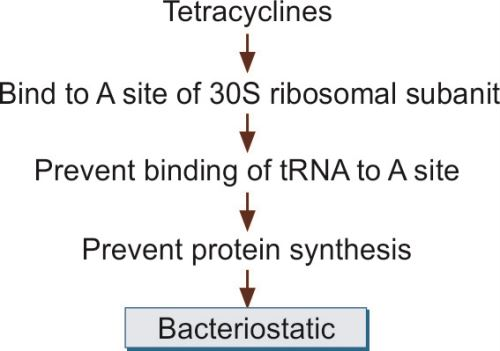
A. "Tetracycline inhibits protein synthesis."
Tetracycline inhibits bacterial protein synthesis by binding to the bacterial ribosomes, which are crucial for making proteins. This disruption in protein synthesis prevents bacterial growth and replication.
B. "Tetracycline blocks RNA synthesis."
Tetracycline primarily affects protein synthesis, not RNA synthesis. It binds to the 30S subunit of the bacterial ribosome and disrupts the translation process.
C. "Tetracycline degrades the bacterial cell wall."
Tetracycline does not target the bacterial cell wall. Drugs like penicillin and cephalosporins work by disrupting cell wall synthesis, but tetracycline operates differently by inhibiting protein synthesis.
D. "Tetracycline binds to magnesium ions."
Tetracycline does not specifically bind to magnesium ions. Its primary mode of action involves binding to the bacterial ribosome, as mentioned in the first correct statement.
Correct Answer is C
Explanation
A. Gentamicin: Gentamicin is an aminoglycoside antibiotic effective against many bacteria, but it's not the first choice for MRSA. Vancomycin or other alternatives are preferred due to the rising resistance of MRSA to gentamicin.
B. Nafcillin: Nafcillin is a penicillin antibiotic, often used for penicillin-sensitive staphylococcal infections. However, it is not effective against MRSA, which is resistant to many penicillin-based antibiotics.
C. Vancomycin: Vancomycin is a glycopeptide antibiotic used to treat a variety of bacterial infections, including MRSA. It works by inhibiting cell wall synthesis in bacteria, making it effective against Gram-positive bacteria that have developed resistance to other antibiotics like methicillin (which MRSA has).
D. Penicillin: Penicillin is a group of antibiotics that includes drugs like amoxicillin and ampicillin. MRSA is resistant to penicillin-based antibiotics, so they are not effective against MRSA infections.
Whether you are a student looking to ace your exams or a practicing nurse seeking to enhance your expertise , our nursing education contents will empower you with the confidence and competence to make a difference in the lives of patients and become a respected leader in the healthcare field.
Visit Naxlex, invest in your future and unlock endless possibilities with our unparalleled nursing education contents today