
A nurse is teaching the mother of a 5-year-old child who has cystic fibrosis about pancreatic enzymes. The nurse should understand that further teaching is necessary when the mother states which of the following?
"I will put the enzyme crystals in his applesauce.
"The enzymes probably won't cause many adverse effects."
"The enzymes help him digest fat.
"I will give my son the enzymes between meals.
The Correct Answer is D
In cystic fibrosis, the pancreas does not secrete enough digestive enzymes, leading to malabsorption of nutrients, especially fats. To help with digestion, pancreatic enzymes are prescribed to be taken with meals and snacks. These enzymes should be given just before or with each meal or snack to aid in the breakdown and absorption of nutrients.
Nursing Test Bank
Naxlex Comprehensive Predictor Exams
Related Questions
Correct Answer is C
Explanation
A. Gastrointestinal:
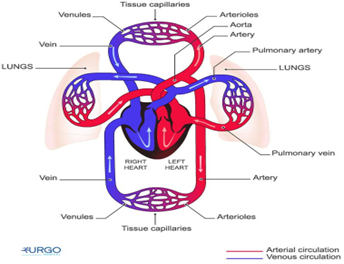
Kawasaki disease primarily affects blood vessels, and the gastrointestinal system is not the main target of this condition. While gastrointestinal symptoms can occur as part of the overall inflammatory response, such as abdominal pain, vomiting, or diarrhea, they are not the primary focus of concern in Kawasaki disease. The most critical system to monitor in Kawasaki disease is the cardiovascular system, specifically the coronary arteries.
B. Respiratory:
The respiratory system is not the primary system affected by Kawasaki disease. While respiratory symptoms can occur as part of the overall inflammatory response and fever associated with the disease, such as coughing or runny nose, they are not the main concern in Kawasaki disease. The primary system to monitor in this condition is the cardiovascular system, especially the coronary arteries.
C. Cardiovascular:
This is the correct answer. Kawasaki disease is primarily a vasculitis (inflammation of blood vessels) that affects various blood vessels, including the coronary arteries. The inflammation of the coronary arteries can lead to coronary artery aneurysms and other cardiac complications. Monitoring the cardiovascular system is essential to detect any signs of coronary artery involvement and ensure timely intervention to prevent potential long-term cardiac problems.
D. Integumentary:
The integumentary system (skin) is not the primary focus of Kawasaki disease. While some skin changes can occur during the acute phase of the disease, such as a rash or peeling skin on the hands and feet, these are not the primary concerns. Monitoring the cardiovascular system is critical in Kawasaki disease due to the risk of coronary artery inflammation and potential complications.
Correct Answer is B
Explanation
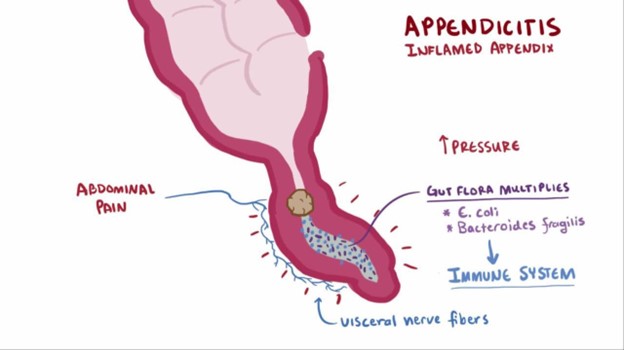
The nurse should clarify the prescription to administer sodium biphosphate/sodium phosphate because it is a laxative and is contraindicated in a child with suspected appendicitis. The use of laxatives or enemas can potentially worsen the condition by increasing the risk of perforation or rupture of the inflamed appendix.
A. Monitoring oral temperature every 4 hours is important to assess for signs of infection or worsening condition.
C. Maintaining NPO status is essential to avoid stimulating the digestive system and to prepare for possible surgery.
D. Medicating the client for pain every 4 hours as needed is appropriate to manage pain and provide comfort while the child awaits further evaluation or treatment.
Remember, it's crucial to avoid the use of laxatives, enemas, or any other interventions that can potentially aggravate the inflamed appendix in a child with suspected appendicitis.
Whether you are a student looking to ace your exams or a practicing nurse seeking to enhance your expertise , our nursing education contents will empower you with the confidence and competence to make a difference in the lives of patients and become a respected leader in the healthcare field.
Visit Naxlex, invest in your future and unlock endless possibilities with our unparalleled nursing education contents today