
A nurse is talking to a client who is taking a calcium supplement for osteoporosis. The client tells the nurse she is experiencing flank pain.
Which of the following adverse effects should the nurse suspect?
Peptic ulcer fracture
Renal stones
Pancreatitis
Hepatitis
The Correct Answer is B
A. Calcium supplements are not associated with peptic ulcer formation.
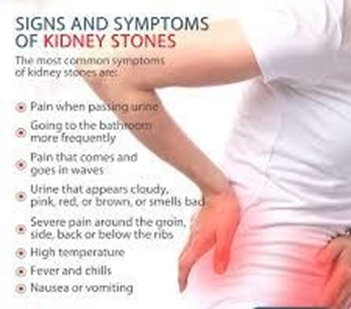
B. Flank pain can be a symptom of kidney stones, which can occur due to excessive calcium supplementation.
C. Pancreatitis is not typically associated with calcium supplementation.
D. Hepatitis is not typically associated with calcium supplementation.
Nursing Test Bank
Naxlex Comprehensive Predictor Exams
Related Questions
Correct Answer is B
Explanation
A. Postoperative ileus and NG tube drainage are not typically associated with decreased calcium levels.
B. The nurse should monitor for electrolyte imbalances, particularly a decreased potassium level. This is because the gastrointestinal tract, especially the stomach, contains a high concentration of potassium, and substantial losses can occur with ongoing gastric suctioning.
C. NG tube drainage does not typically result in elevated sodium levels.
D. NG tube drainage does not typically result in elevated magnesium levels.
Correct Answer is B
Explanation
A. Having a pacemaker is not a contraindication for kidney transplant unless there are significant underlying cardiac issues that would increase the risks associated with surgery.
B. Chronic alcohol abuse can lead to multiple organ damage and increased surgical risks, making it a contraindication for kidney transplant.
C. Being a breast cancer survivor is not a contraindication for kidney transplant unless there are active cancer or metastases that would affect surgical outcomes.
D. Age alone is not a contraindication for kidney transplant. The decision for transplant candidacy is based on overall health status and comorbidities rather than age alone.
Whether you are a student looking to ace your exams or a practicing nurse seeking to enhance your expertise , our nursing education contents will empower you with the confidence and competence to make a difference in the lives of patients and become a respected leader in the healthcare field.
Visit Naxlex, invest in your future and unlock endless possibilities with our unparalleled nursing education contents today