
A nurse is speaking with a client who is experiencing a situational crisis following the sudden death of his partner. Which of the following questions should the nurse ask the client first?
"Who do you talk to when you feel overwhelmed?"
"Are you thinking about harming yourself?"
"Can we talk about how your partner's death has affected you?"
"What do you usually do to calm your thoughts?"
The Correct Answer is B
Choice A rationale:
Asking who the client talks to when overwhelmed is important, but assessing for suicidal thoughts is more urgent.
Choice B rationale:
Assessing the client's risk for harm to themselves is the priority when dealing with a person in crisis. This helps determine the need for immediate intervention to ensure their safety.
Choice C rationale:
Discussing the impact of the partner's death can be therapeutic, but ensuring immediate safety is the priority.
Choice D rationale:
Inquiring about coping strategies is important, but assessing for suicidal thoughts takes precedence.
Nursing Test Bank
Naxlex Comprehensive Predictor Exams
Related Questions
Correct Answer is C
Explanation
Choice A rationale:
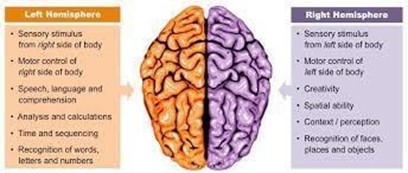
Aphasia, or difficulty with language, is more commonly associated with left hemispheric stroke.
Choice B rationale:
Depression can be a common psychological reaction following stroke, but it is not a specific finding associated with right hemispheric stroke.
Choice C rationale:
Right hemispheric stroke can lead to loss of depth perception and spatial awareness due to its impact on the visual-spatial processing areas of the brain.
Choice D rationale:
Slow, cautious behavior is a common finding after stroke regardless of the affected hemisphere.
Correct Answer is C
Explanation
Choice A rationale:
Exhibiting grief response behaviors may indicate the client is processing emotions related to the assault but may not necessarily indicate effectiveness of the plan of care.
Choice B rationale:
Stating a desire for revenge suggests unresolved anger and is not indicative of effective coping or progress.
Choice C rationale:
A sign of effectiveness in the plan of care for a client who has experienced sexual assault is the client's willingness to seek guidance and support in making important life decisions. This indicates a sense of trust in the nurse and a desire to move forward in a positive way.
Choice D rationale:
Demonstrating an increase in regressive behavior might indicate emotional distress but does not necessarily indicate effectiveness of the plan of care.
Whether you are a student looking to ace your exams or a practicing nurse seeking to enhance your expertise , our nursing education contents will empower you with the confidence and competence to make a difference in the lives of patients and become a respected leader in the healthcare field.
Visit Naxlex, invest in your future and unlock endless possibilities with our unparalleled nursing education contents today