
A nurse is reinforcing teaching about immunizations with the parents of a newborn. Which of the following statements should the nurse make?
"Your newborn will receive the first DTaP vaccine during the initial well-baby visit."
"Your newborn should receive an immunization for MMR at 6 months."
"Your newborn is scheduled to have a hepatitis B vaccine prior to discharge."
"Your newborn should receive the PCV vaccine two times prior to his first birthday."
The Correct Answer is C
A. "Your newborn will receive the first DTaP vaccine during the initial well-baby visit.": The first dose of DTaP is typically given at 2 months, not at the newborn stage.
B. "Your newborn should receive an immunization for MMR at 6 months.": The MMR vaccine is usually administered at 12-15 months, not at 6 months.
C. "Your newborn is scheduled to have a hepatitis B vaccine prior to discharge.": Hepatitis B vaccine is recommended to be given within 24 hours of birth as the first dose of a series.
D. "Your newborn should receive the PCV vaccine two times prior to his first birthday.": The pneumococcal conjugate vaccine (PCV) schedule starts at 2 months with multiple doses, but not specifically "two times" before the first birthday.
Nursing Test Bank
Naxlex Comprehensive Predictor Exams
Related Questions
Correct Answer is A
Explanation
A. Lime ice pop: A lime ice pop is a good option because it is cold, soothing, and less likely to irritate the throat or cause bleeding. The cold temperature can help reduce swelling and provide comfort. Additionally, it is not acidic or dairy-based, which makes it a safe choice.
B. Cranberry juice: Cranberry juice is acidic, which can irritate the throat and increase discomfort after a tonsillectomy. Acidic foods and drinks should be avoided during the recovery period to prevent irritation and pain.
C. Ice cream: While ice cream is cold and soothing, it contains dairy, which can increase mucus production. This may lead to discomfort and make swallowing more difficult post-surgery. It’s best to avoid dairy products immediately following a tonsillectomy.
D. Hot tea : Hot beverages should be avoided because they can cause vasodilation and increase the risk of postoperative bleeding. Cold or room temperature liquids are preferred to minimize discomfort and prevent complications.
Correct Answer is A
Explanation
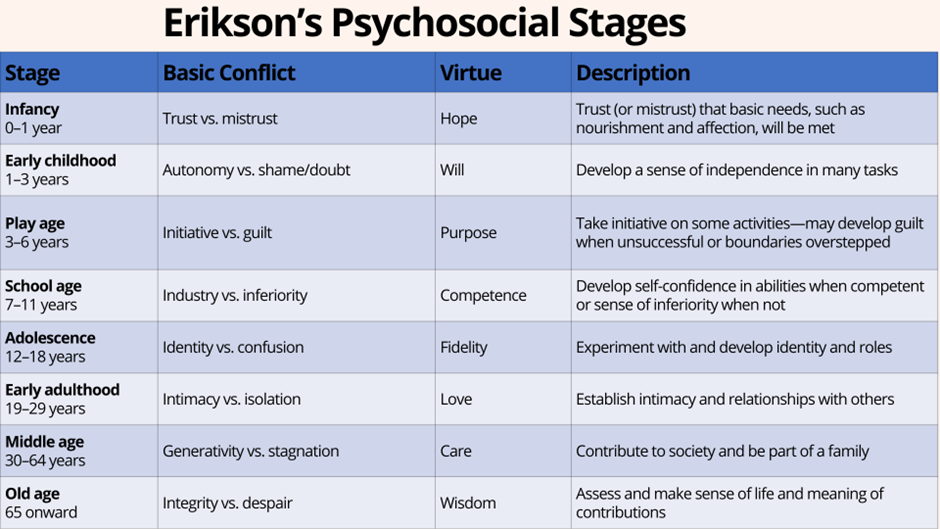
A. Defining a sense of self: Adolescence is characterized by the search for identity and defining a sense of self. Erikson identifies this stage as "Identity vs. Role Confusion," where individuals explore and form their own identity separate from their family and childhood roles.
B. Learning to perform tasks independently: This is more typical of early childhood (Erikson's "Autonomy vs. Shame and Doubt"). During this stage, children are learning basic independence, such as dressing and feeding themselves.
C. Learning to use creative energies: This task is more relevant to the preschool age group (Erikson's "Initiative vs. Guilt"), where children engage in imaginative play and begin exploring their own ideas and creativity.
D. Building a sense of trust: Building a sense of trust is the primary task in infancy (Erikson's "Trust vs. Mistrust"), where infants develop trust in their caregivers and the world around them.
Whether you are a student looking to ace your exams or a practicing nurse seeking to enhance your expertise , our nursing education contents will empower you with the confidence and competence to make a difference in the lives of patients and become a respected leader in the healthcare field.
Visit Naxlex, invest in your future and unlock endless possibilities with our unparalleled nursing education contents today