
A nurse is caring for a child who is experiencing an acute asthma attack. Which of the following medications should the nurse administer first?
Methylprednisolone
Albuterol
Fluticasone
Beclomethasone
The Correct Answer is B
A. Methylprednisolone: Methylprednisolone is a corticosteroid used for long-term management and prevention of asthma exacerbations. It has anti-inflammatory effects and is not typically used for immediate relief during an acute asthma attack.
B. Albuterol: Albuterol is a short-acting beta-agonist bronchodilator, which is the first-line medication for relieving acute bronchoconstriction during an asthma attack. It works quickly to open the airways and improve breathing.
C. Fluticasone: Fluticasone is an inhaled corticosteroid used for long-term asthma control and prevention of symptoms. It has anti-inflammatory effects but is not used for immediate relief during an acute asthma attack.
D. Beclomethasone: Beclomethasone is also an inhaled corticosteroid used for long-term asthma control and prevention of symptoms. Like fluticasone, it is not used for immediate relief during an acute asthma attack.
Nursing Test Bank
Naxlex Comprehensive Predictor Exams
Related Questions
Correct Answer is B
Explanation
A. Methylprednisolone: Methylprednisolone is a corticosteroid used for long-term management and prevention of asthma exacerbations. It has anti-inflammatory effects and is not typically used for immediate relief during an acute asthma attack.
B. Albuterol: Albuterol is a short-acting beta-agonist bronchodilator, which is the first-line medication for relieving acute bronchoconstriction during an asthma attack. It works quickly to open the airways and improve breathing.
C. Fluticasone: Fluticasone is an inhaled corticosteroid used for long-term asthma control and prevention of symptoms. It has anti-inflammatory effects but is not used for immediate relief during an acute asthma attack.
D. Beclomethasone: Beclomethasone is also an inhaled corticosteroid used for long-term asthma control and prevention of symptoms. Like fluticasone, it is not used for immediate relief during an acute asthma attack.
Correct Answer is C
Explanation
A. Respiratory
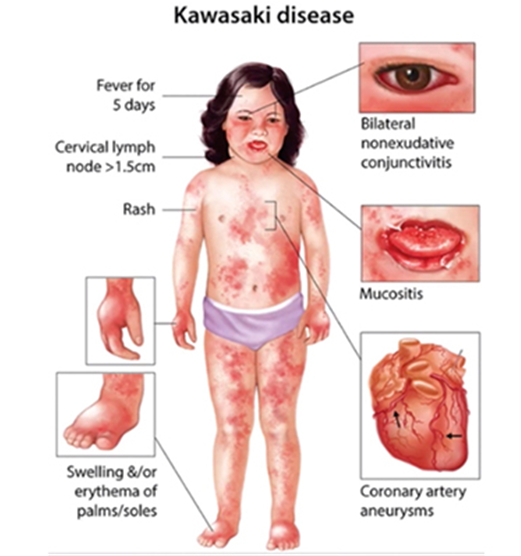
Kawasaki disease primarily affects the cardiovascular system rather than the respiratory system. While respiratory symptoms such as cough or congestion may occur in some cases, they are not the primary focus of the disease.
B. Gastrointestinal
Although gastrointestinal symptoms such as abdominal pain, vomiting, or diarrhea can occur in Kawasaki disease, they are not the primary system affected. Gastrointestinal symptoms are considered part of the systemic manifestations of the disease but do not define its primary pathology.
C. Cardiovascular
This is the correct answer. Kawasaki disease primarily affects the cardiovascular system. It is characterized by inflammation of the blood vessels, particularly the medium-sized arteries, including the coronary arteries. Coronary artery involvement can lead to coronary artery aneurysms and other cardiovascular complications, making the cardiovascular system the primary focus of the disease.
D. Integumentary
The integumentary system (skin) is not primarily affected by Kawasaki disease. While changes in the skin, such as a rash, may occur as part of the systemic manifestations of the disease, they are not the primary focus of Kawasaki disease.
Whether you are a student looking to ace your exams or a practicing nurse seeking to enhance your expertise , our nursing education contents will empower you with the confidence and competence to make a difference in the lives of patients and become a respected leader in the healthcare field.
Visit Naxlex, invest in your future and unlock endless possibilities with our unparalleled nursing education contents today