
A nurse is reinforcing dietary teaching for a client who is to start taking a monoamine oxidase inhibitor (MAOI). Which of the following food choices should the nurse identify as having the highest tyramine content?
Avocadoes
2% milk
Sliced apples
Celery sticks
The Correct Answer is A
A. Tyramine is found in various foods and its levels increase when food is aged or fermented. Avocados, especially if they are overripe, can contain higher levels of tyramine compared to the other options listed. It is important for individuals taking MAOIs to manage their intake of tyramine-rich foods to avoid adverse reactions.
B. 2% milk does not contain significant levels of tyramine compared to aged or fermented foods like avocadoes.
C. Sliced apples do not contain significant levels of tyramine compared to aged or fermented foods like avocadoes.
D. Celery sticks do not contain significant levels of tyramine compared to aged or fermented foods like avocadoes.
Nursing Test Bank
Naxlex Comprehensive Predictor Exams
Related Questions
Correct Answer is D
Explanation
A. Methadone is an opioid agonist primarily used for the management of opioid dependence and chronic pain. It is not indicated for the treatment of alcohol withdrawal or delirium.
B. Acamprosate is a medication used to support abstinence in individuals who have recently stopped drinking alcohol. It is not typically used to manage acute alcohol withdrawal symptoms such as delirium tremens.
C. Disulfiram is a medication used as an aversive therapy to deter alcohol consumption by causing unpleasant reactions (e.g., flushing, nausea, vomiting) when alcohol is ingested. It is not indicated for the treatment of alcohol withdrawal or delirium.
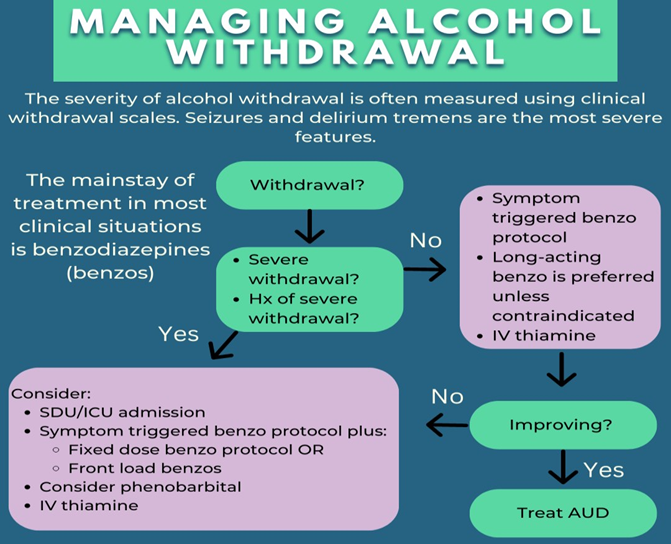
D. Lorazepam is a benzodiazepine commonly used to manage alcohol withdrawal symptoms, including delirium tremens. It acts by enhancing the inhibitory effects of gamma- aminobutyric acid (GABA) in the central nervous system, thereby reducing the symptoms of alcohol withdrawal such as seizures.
Correct Answer is B
Explanation
A. Lithium carbonate is typically taken with food to minimize gastrointestinal side effects.
Taking it on an empty stomach may increase the risk of nausea and other GI symptoms.
B. It can take up to 3 weeks to see the full effects of lithium carbonate, which is used to treat bipolar disorder.
C. Clients do not need to follow a low-sodium diet; in fact, maintaining a consistent sodium intake is important while taking lithium,
D. While adequate fluid intake is important to prevent dehydration, there's no specific recommendation to limit fluid intake to 800 ounces per day. However, clients should be advised to maintain hydration and be cautious of excessive fluid intake, especially if they have kidney or cardiovascular issues.
Whether you are a student looking to ace your exams or a practicing nurse seeking to enhance your expertise , our nursing education contents will empower you with the confidence and competence to make a difference in the lives of patients and become a respected leader in the healthcare field.
Visit Naxlex, invest in your future and unlock endless possibilities with our unparalleled nursing education contents today