
A nurse is providing teaching to a client about the adverse effects of sertraline. Which of the following adverse effects should the nurse include?
Excessive sweating
Dry cough
Increased urinary frequency
Metallic taste in mouth
The Correct Answer is A
A. Excessive sweating is a common adverse effect of sertraline, and it is essential for the nurse to educate the client about this potential side effect to enhance medication adherence and manage expectations.
B. Dry cough is not typically associated with sertraline, and its inclusion in the education may confuse the client and undermine the credibility of the nurse's teaching.
C. Increased urinary frequency is not commonly reported with sertraline use; therefore, including it in the client education may lead to misinformation.
D. A metallic taste in the mouth is not a commonly reported adverse effect of sertraline and should not be included in the client education as it may cause unnecessary concern or confusion.

Nursing Test Bank
Naxlex Comprehensive Predictor Exams
Related Questions
Correct Answer is {"A":{"answers":"A"},"B":{"answers":"A,B"},"C":{"answers":"A,B"},"D":{"answers":"B"}}
Explanation
Mastitis: A, B, C
Endometritis: B, C, D
Rationale:
A. This finding is consistent with mastitis. Mastitis is characterized by inflammation of the breast tissue, often presenting with pain, tenderness, warmth, and redness in the affected breast.
B. This finding can be indicative of both mastitis and endometritis. A fever, as indicated by an elevated temperature (38.8°C or 101.9°F), is a common symptom of both mastitis and endometritis. It suggests an inflammatory response or infection in the body.
C. This finding is also consistent with both mastitis and endometritis. Chills often accompany fever and can be a sign of systemic infection or inflammation.
D. This finding is more indicative of endometritis. Endometritis involves infection or inflammation of the uterine lining, which can result in foul-smelling lochia. Foul- smelling lochia may indicate the presence of infection within the uterus.
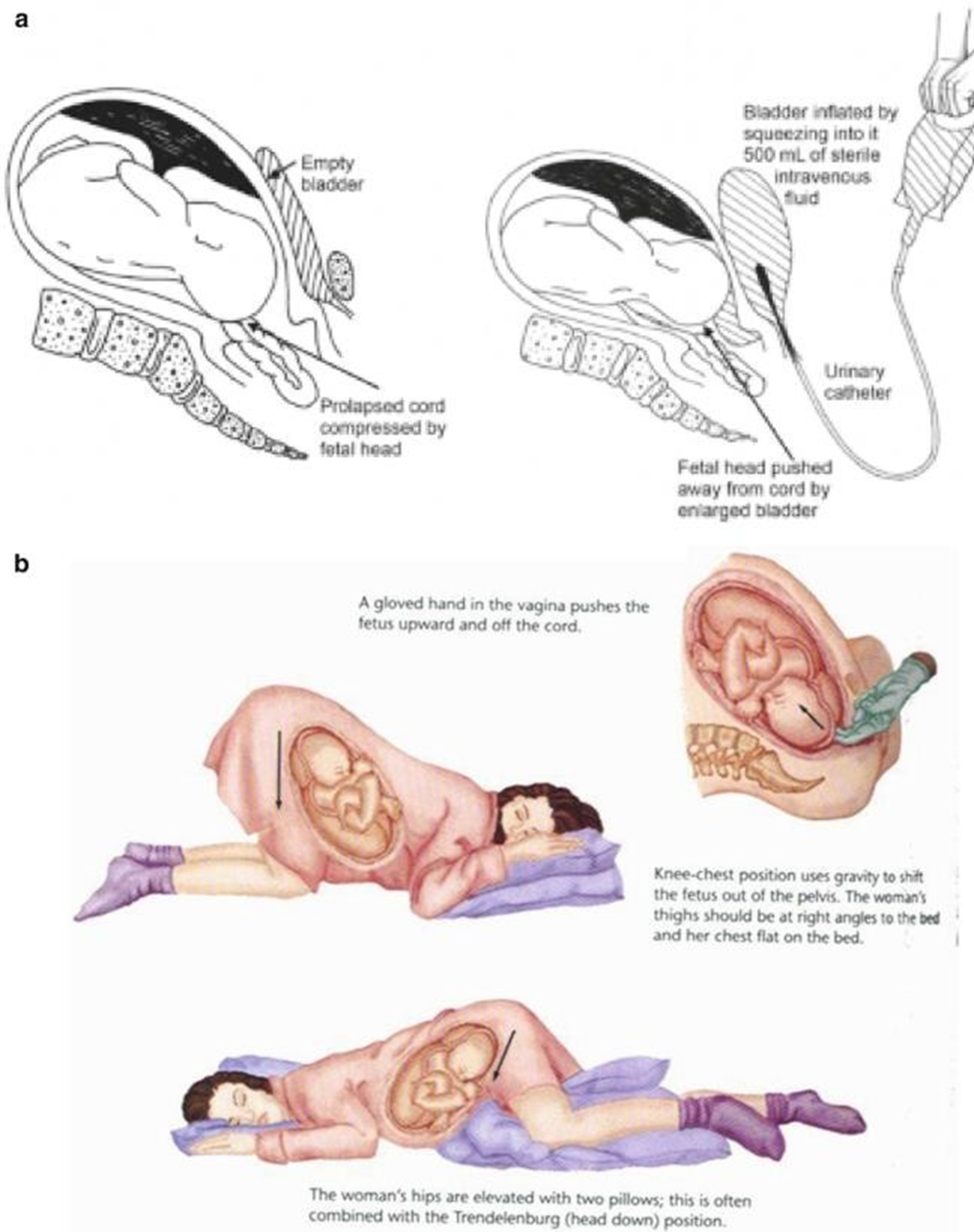
Correct Answer is C
Explanation
A. While evaluating uterine tone is part of routine labor monitoring, it does not address the urgent need to relieve pressure on the prolapsed umbilical cord.
B. Keeping the cord moist is less of a priority than immediate measures to relieve pressure on the cord.
C. For a prolapsed umbilical cord, the immediate goal is to relieve pressure on the cord to maintain fetal oxygenation. Placing the client in the Trendelenburg position or a knee-to-chest position can help reduce the pressure on the cord by using gravity to shift the fetal presenting part toward the diaphragm.
D. Applying fundal pressure is contraindicated in the case of umbilical cord prolapse as it can increase pressure on the cord and exacerbate fetal distress.
Whether you are a student looking to ace your exams or a practicing nurse seeking to enhance your expertise , our nursing education contents will empower you with the confidence and competence to make a difference in the lives of patients and become a respected leader in the healthcare field.
Visit Naxlex, invest in your future and unlock endless possibilities with our unparalleled nursing education contents today