
A nurse is assessing a client who is in active labor. Which of the following findings should the nurse report to the provider?
Contractions lasting 80 seconds
Early decelerations in the FHR
FHR baseline 170/min
Temperature 37.4° C (99.3° F)
The Correct Answer is C
A. Contractions lasting 80 seconds, while prolonged, may occur in active labor and do not necessarily indicate a complication requiring immediate provider notification.
B. Early decelerations in the fetal heart rate are typically benign and are not typically concerning unless they are persistent or associated with other signs of fetal distress.
C. An FHR baseline of 170/min is above the normal range and may indicate fetal distress or other complications requiring further evaluation and possible intervention, necessitating prompt provider notification.
D. A temperature of 37.4°C (99.3°F) is within the normal range and does not typically require immediate provider notification unless accompanied by other concerning symptoms.
Nursing Test Bank
Naxlex Comprehensive Predictor Exams
Related Questions
Correct Answer is B
Explanation
A. While documentation of sensitive material may be a responsibility of the charge nurse, it does not directly relate to educating a newly licensed nurse about the facility's computerized documentation system.
B. Securing client information through measures like installing a firewall is crucial in a computerized documentation system to maintain confidentiality and prevent unauthorized access or data breaches.
C. While password change frequency is an important aspect of maintaining system security, it is not the most critical information to convey to a newly licensed nurse regarding the documentation system.Most facilities require more frequent password changes to enhance security, such as every 60 to 90 days, to mitigate the risk of unauthorized access and potential breaches.
D. Providing access to all client records would violate privacy and security protocols and is not an accurate representation of how the documentation system operates.
Correct Answer is {"dropdown-group-1":"C","dropdown-group-2":"C"}
Explanation
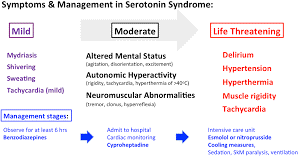
Serotonin syndrome is a serious drug reaction that results from having too much serotonin in the body. Serotonin is a chemical that plays a role in mood, sleep, appetite and other functions. Some medications, especially antidepressants, can increase serotonin levels and cause serotonin syndrome. The client is taking paroxetine, which is a type of antidepressant called a selective serotonin reuptake inhibitor (SSRI). SSRIs work by blocking the reabsorption of serotonin in the brain, making more serotonin available.
Paroxetine can cause serotonin syndrome if taken at high doses, in combination with
other serotonergic drugs, or if abruptly stopped. The client’s symptoms of restlessness, abdominal pain, disorientation and fever are consistent with serotonin syndrome. Other possible symptoms include agitation, confusion, rapid heart rate, high blood pressure, dilated pupils, muscle twitching, rigidity, sweating and shivering. Severe serotonin syndrome can lead to seizures, coma and death. The client should stop taking paroxetine and seek immediate medical attention. Serotonin syndrome can be treated with supportive care and medications that reduce serotonin levels or block its effects. The client may need to switch to a different antidepressant or adjust the dosage under the guidance of their provider.
Whether you are a student looking to ace your exams or a practicing nurse seeking to enhance your expertise , our nursing education contents will empower you with the confidence and competence to make a difference in the lives of patients and become a respected leader in the healthcare field.
Visit Naxlex, invest in your future and unlock endless possibilities with our unparalleled nursing education contents today