
Exhibits
Click to specify which of the following actions the nurse should anticipate including in the client's plan of care. Select all that apply.
Initiate contact precautions.
Check urinary output.
Decrease lighting in the client's room.
Monitor blood pressure.
Prepare for amniocentesis.
Apply Internal fetal monitor.
Assess DTR.
Get bed rest.
Correct Answer : B,C,D,G,H
A. Contact precautions are not indicated based on the assessment findings provided.
Preeclampsia is primarily a hypertensive disorder of pregnancy characterized by systemic manifestations such as elevated blood pressure, proteinuria, and multiorgan involvement. It is not transmitted through direct contact, so contact precautions are unnecessary.
B. The client is exhibiting signs and symptoms consistent with preeclampsia, including right upper abdominal pain, headache, nausea, vomiting, facial edema, weight gain, and elevated blood pressure. Monitoring urinary output is essential for assessing renal function and detecting oliguria, which is a potential complication of preeclampsia.
C. a deep tendon reflex (DTR) grade of 3+ indicates a brisker than average response, which could be normal or potentially indicative of neurological hyperactivity. In such cases, creating a calming environment, which may include dimmed lighting, could potentially help in reducing stimuli that might exacerbate neurological excitability.
D. The client's blood pressure readings are elevated, indicating hypertension, which is a hallmark sign of preeclampsia. Monitoring blood pressure regularly is crucial for assessing the severity of hypertension and guiding management.
E. Amniocentesis is not indicated based on the assessment findings provided. Amniocentesis is a diagnostic procedure typically performed to obtain amniotic fluid for various purposes, such as fetal lung maturity assessment or genetic testing. In the context of preeclampsia, it is not a standard intervention.
F. Preeclampsia can have adverse effects on fetal well-being, including intrauterine growth restriction and placental insufficiency. However, an external fetal monitoring provides a more accurate assessment of fetal heart rate patterns and allows for closer monitoring of fetal status in cases of maternal hypertension.
G. Deep tendon reflexes (DTRs) are assessed to monitor for signs of neurological involvement in preeclampsia. Hyperreflexia, as indicated by a 3+ DTR bilaterally, is a characteristic finding in severe preeclampsia and may indicate central nervous system irritability.
H. Bed rest is often recommended for clients with preeclampsia to reduce physical activity and minimize the risk of complications such as eclampsia or stroke. It can help lower blood pressure and reduce the risk of placental abruption.
Nursing Test Bank
Naxlex Comprehensive Predictor Exams
Related Questions
Correct Answer is C
Explanation
A. While evaluating uterine tone is part of routine labor monitoring, it does not address the urgent need to relieve pressure on the prolapsed umbilical cord.
B. Keeping the cord moist is less of a priority than immediate measures to relieve pressure on the cord.
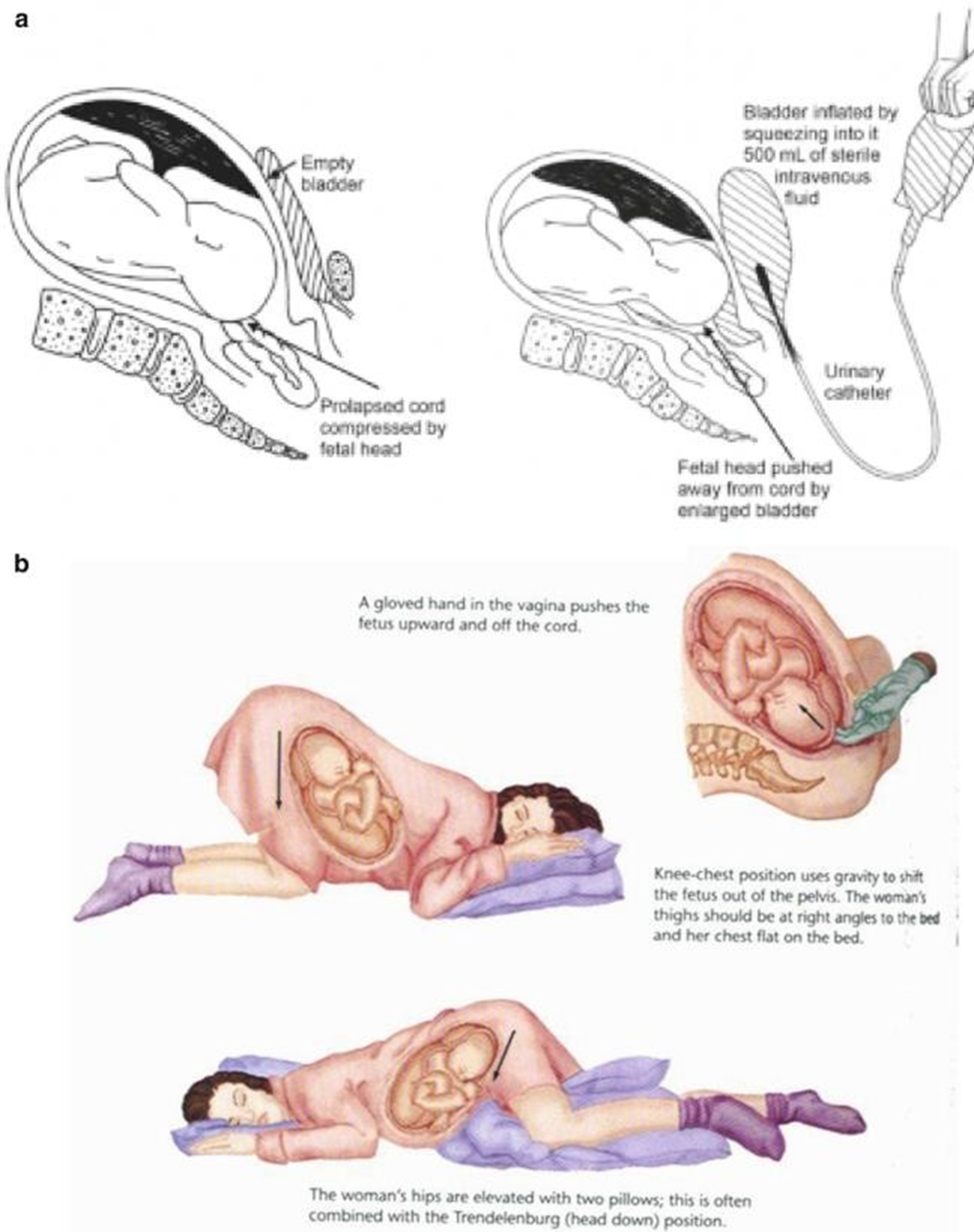
C. For a prolapsed umbilical cord, the immediate goal is to relieve pressure on the cord to maintain fetal oxygenation. Placing the client in the Trendelenburg position or a knee-to-chest position can help reduce the pressure on the cord by using gravity to shift the fetal presenting part toward the diaphragm.
D. Applying fundal pressure is contraindicated in the case of umbilical cord prolapse as it can increase pressure on the cord and exacerbate fetal distress.
Correct Answer is D
Explanation
A. Chronic kidney disease often results in metabolic acidosis, leading to decreased bicarbonate levels rather than increased.
B. Chronic kidney disease commonly leads to hyperphosphatemia and hypocalcemia due to impaired renal excretion of phosphate and decreased activation of vitamin D, resulting in decreased calcium levels.
C. Chronic kidney disease often results in anemia due to decreased production of erythropoietin, leading to decreased hemoglobin levels rather than increased.
D. Increased creatinine levels are indicative of impaired renal function, a hallmark of chronic kidney disease.
Whether you are a student looking to ace your exams or a practicing nurse seeking to enhance your expertise , our nursing education contents will empower you with the confidence and competence to make a difference in the lives of patients and become a respected leader in the healthcare field.
Visit Naxlex, invest in your future and unlock endless possibilities with our unparalleled nursing education contents today