
A nurse is caring for a client at a clinic.
Complete the following sentence by using the lists of options.
The client is at risk for developing
The Correct Answer is {"dropdown-group-1":"C","dropdown-group-2":"C"}
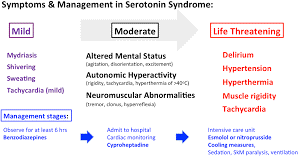
Serotonin syndrome is a serious drug reaction that results from having too much serotonin in the body. Serotonin is a chemical that plays a role in mood, sleep, appetite and other functions. Some medications, especially antidepressants, can increase serotonin levels and cause serotonin syndrome. The client is taking paroxetine, which is a type of antidepressant called a selective serotonin reuptake inhibitor (SSRI). SSRIs work by blocking the reabsorption of serotonin in the brain, making more serotonin available.
Paroxetine can cause serotonin syndrome if taken at high doses, in combination with
other serotonergic drugs, or if abruptly stopped. The client’s symptoms of restlessness, abdominal pain, disorientation and fever are consistent with serotonin syndrome. Other possible symptoms include agitation, confusion, rapid heart rate, high blood pressure, dilated pupils, muscle twitching, rigidity, sweating and shivering. Severe serotonin syndrome can lead to seizures, coma and death. The client should stop taking paroxetine and seek immediate medical attention. Serotonin syndrome can be treated with supportive care and medications that reduce serotonin levels or block its effects. The client may need to switch to a different antidepressant or adjust the dosage under the guidance of their provider.
Nursing Test Bank
Naxlex Comprehensive Predictor Exams
Related Questions
Correct Answer is B
Explanation
A. Monitoring vital signs every 12 hours is a standard nursing intervention but may not specifically address the needs of a client with immunosuppression.
B. Inspecting the client's mouth every 8 hours can help in early detection of mouth sores or infections, which are common in immunosuppressed individuals.
C. Providing fresh fruit with meals may not be appropriate for a client with immunosuppression, as fresh fruits can harbor pathogens that pose a risk of infection.
D. Rotating healthcare staff caring for the client helps increases the risk of introducing pathogens to the client. This increases the risk of infection in the immunosuppressed client.
Correct Answer is D
Explanation
A. While determining if the procedure is medically necessary is important, the decision-making process should involve the client's designated surrogate, especially when the client is unable to make decisions.
B. While family support is valuable, the primary concern is ensuring that the client's designated surrogate, who is responsible for making healthcare decisions on behalf of the client, is informed and involved in the decision-making process.
C. Sending the unsigned informed consent form to the facility's risk manager does not address the immediate need to ensure that the client's healthcare surrogate is informed about the procedure and its implications.
D. When a client is unable to provide informed consent due to incapacitation, the nurse should communicate with the client's designated health care surrogate to ensure they are aware of the risks and benefits of the procedure and can make decisions on behalf of the client.
Whether you are a student looking to ace your exams or a practicing nurse seeking to enhance your expertise , our nursing education contents will empower you with the confidence and competence to make a difference in the lives of patients and become a respected leader in the healthcare field.
Visit Naxlex, invest in your future and unlock endless possibilities with our unparalleled nursing education contents today