
A nurse is preparing to transfer a client who has had a stroke to a rehabilitation facility. The client's family tells the nurse they are concerned about the level of care the client will receive.
Which of the following actions should the nurse take?
Facilitate an interdisciplinary conference at the new facility for the family
Refer the client and family to a social worker for assistance and a follow-up meeting
Reassure the client's family that the same provider will provide care at the new facility
Tell the family that the rehabilitation facility has an excellent client care record
The Correct Answer is A
- A is correct because facilitating an interdisciplinary conference at the new facility for the family can help address their concerns, provide information about the client's plan of care, and promote continuity of care.
- B is incorrect because referring the client and family to a social worker for assistance and a follow-up meeting is not enough to address their immediate concerns and does not involve other members of the health care team.
- C is incorrect because reassuring the client's family that the same provider will provide care at the new facility may not be true and does not address their specific concerns about the level of care.
- D is incorrect because telling the family that the rehabilitation facility has an excellent client care record is not enough to address their specific concerns and may sound dismissive.
Nursing Test Bank
Naxlex Comprehensive Predictor Exams
Related Questions
Correct Answer is D
Explanation
Choice A rationale:
Hyperthyroidism is not a contraindication for niacin use. Niacin is used to lower LDL cholesterol levels and has no specific contraindications related to thyroid disorders.
Choice B rationale:
Asthma is not a contraindication for niacin use. Niacin does not interact with asthma medications or worsen asthma symptoms, so it is not contraindicated in individuals with asthma.
Choice C rationale:
High blood pressure is not a contraindication for niacin use. In fact, niacin can help lower blood pressure and improve overall cardiovascular health. It is often prescribed to individuals with high blood pressure and elevated cholesterol levels.
Choice D rationale:
Active liver disease is a contraindication for niacin use. Niacin can cause liver damage, and individuals with active liver disease should avoid niacin therapy to prevent further harm to the liver. Monitoring liver function tests is crucial in patients taking niacin to ensure their liver health.
Correct Answer is A
Explanation
Irritability.
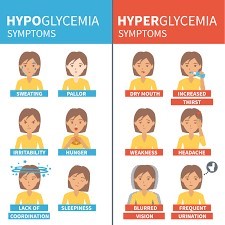
The rationale for each choice is as follows:
- A. Irritability: Correct. Irritability is one of the signs of hypoglycemia, which occurs when blood glucose levels fall below 70 mg/dL (3.9 mmol/L). Other signs include shakiness, sweating, hunger, headache, confusion, and blurred vision.
- B. Increased urination: Incorrect. Increased urination is one of the signs of hyperglycemia, which occurs when blood glucose levels rise above 180 mg/dL (10 mmol/L). Other signs include thirst, dry mouth, fatigue, nausea, and fruity breath odor.
- C. Vomiting: Incorrect. Vomiting is not a specific sign of hypoglycemia or hyperglycemia, but it can occur as a complication of either condition if left untreated or poorly managed.
- D.Facial flushing: Incorrect. Facial flushing is not a sign of hypoglycemia or hyperglycemia, but it can occur as a side effect of some medications used to treat diabetes, such as niacin or rosiglitazone.
Whether you are a student looking to ace your exams or a practicing nurse seeking to enhance your expertise , our nursing education contents will empower you with the confidence and competence to make a difference in the lives of patients and become a respected leader in the healthcare field.
Visit Naxlex, invest in your future and unlock endless possibilities with our unparalleled nursing education contents today