
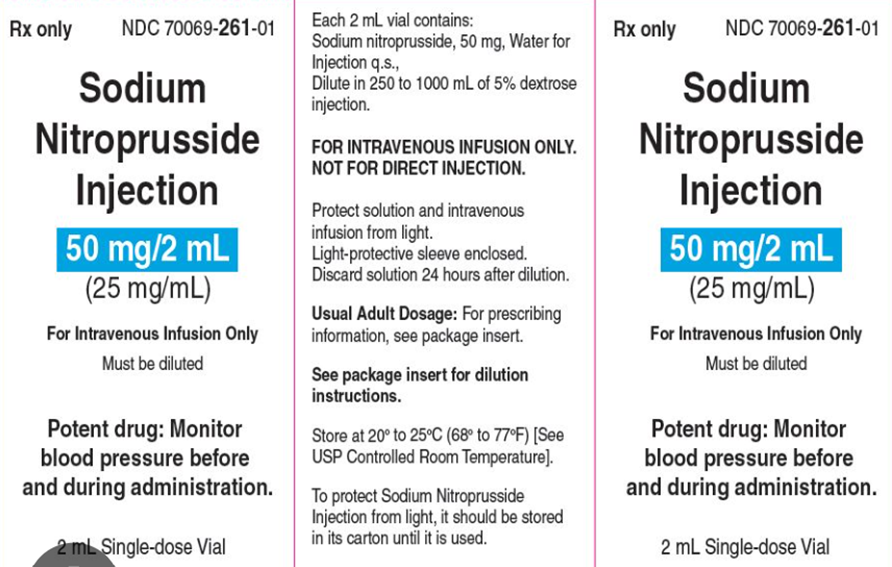
A nurse is preparing to titrate a continuous nitroprusside infusion for a client. The nurse should plan to titrate the infusion according to which of the following assessments?
Blood pressure
Stroke volume
Cardiac output
Urine output
The Correct Answer is A
Choice A Reason:
Blood pressure is correct. Nitroprusside is a medication used to lower blood pressure in conditions such as hypertensive emergencies. It's titrated based on blood pressure readings, with the goal of achieving the desired target blood pressure range as directed by the healthcare provider. The nurse would monitor the client's blood pressure closely and adjust the infusion rate accordingly to achieve the prescribed blood pressure parameters.
Choice B Reason:
Stroke volume is incorrect. While stroke volume (the amount of blood ejected by the heart with each contraction) is important in assessing heart function, it's not directly used to titrate a nitroprusside infusion. Nitroprusside primarily acts as a vasodilator to reduce blood pressure, rather than affecting stroke volume.
Choice C Reason:
Cardiac output is incorrect. Cardiac output (the volume of blood pumped by the heart per minute) is also a crucial measure of heart function, but adjusting a nitroprusside infusion based on cardiac output is not a common practice. Nitroprusside's primary action is to dilate blood vessels, impacting blood pressure regulation more directly than cardiac output.
Choice D Reason:
Urine output is incorrect. While urine output is an important indicator of renal function and overall fluid balance, it is not typically used as the main parameter for titrating nitroprusside. Nitroprusside's primary effect is on vasodilation and blood pressure control rather than directly impacting urine output.
Nursing Test Bank
Naxlex Comprehensive Predictor Exams
Related Questions
Correct Answer is B
Explanation
Choice A Reason:
Tinnitus, a perception of noise or ringing in the ears, is not typically associated with paroxetine use.
Choice B Reason:
Drowsiness or somnolence is a common adverse effect associated with paroxetine and many other selective serotonin reuptake inhibitors (SSRIs). It's crucial for clients to be aware of this potential side effect, especially when starting the medication or adjusting the dosage. It might affect their ability to perform tasks requiring alertness, such as driving or operating machinery.
Choice C Reason:
Peripheral edema, or swelling in the extremities, is not a common adverse effect linked specifically to paroxetine use.
Choice D Reason:
Alopecia is correct. Alopecia, or hair loss, is not a commonly reported adverse effect of paroxetine.
Correct Answer is A
Explanation
Choice A Reason:
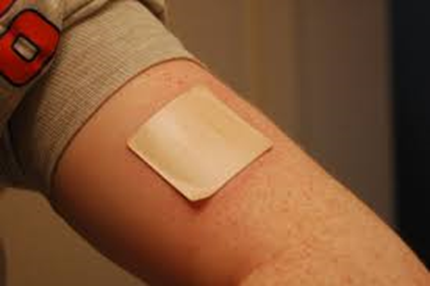
Rotate the application site every week is correct. Rotating the application site is essential to prevent skin irritation or sensitization. Advising the client to apply the patch to a different area of clean, dry, non-hairy skin each time helps reduce the risk of skin irritation at the application site.
Choice B Reason:
The transdermal patch can cause insomnia is incorrect. Insomnia is a potential side effect of nicotine replacement therapy (NRT) patches, including transdermal nicotine patches, but it's not a universal side effect for everyone using the patch.
Choice C Reason:
Leave the patch in place for 8 hr. each day is incorrect. Transdermal nicotine patches are typically worn for 16–24 hours each day, depending on the specific product instructions. Leaving the patch on for a shorter duration might reduce its effectiveness in supporting smoking cessation.
Choice D Reason:
The transdermal patch releases nicotine rapidly into the bloodstream is incorrect. Transdermal nicotine patches deliver nicotine slowly through the skin into the bloodstream over an extended period rather than providing a rapid release. This gradual release helps reduce cravings and withdrawal symptoms associated with smoking cessation.
Whether you are a student looking to ace your exams or a practicing nurse seeking to enhance your expertise , our nursing education contents will empower you with the confidence and competence to make a difference in the lives of patients and become a respected leader in the healthcare field.
Visit Naxlex, invest in your future and unlock endless possibilities with our unparalleled nursing education contents today