
A nurse is reviewing medication prescriptions for a client. For which of the following entries on the client's medication administration record should the nurse request clarification?
Levothyroxine 100 mcg PO every morning
Simvastatin 40 mg PO at bedtime
Acetaminophen 500 mg every 4 hr RN for fever
Morphine 4 mg IV every 4 hr PRN for pain
The Correct Answer is C
Choice A Reason:
Levothyroxine 100 mcg PO every morning is incorrect. Indicates the dosage (100 mcg) and the route (by mouth) to be taken every morning.
Choice B Reason:
Simvastatin 40 mg PO at bedtime: Specifies the dosage (40 mg) and the timing (at bedtime) for administration.
Choice C Reason:
Acetaminophen 500 mg every 4 hr RN for fever is correct. The term "RN" in this context might be interpreted as "right now" rather than the intended meaning, which could cause confusion regarding the frequency of acetaminophen administration. The nurse should seek clarification to ensure accurate and safe dosing instructions.
Choice D Reason:
Morphine 4 mg IV every 4 hr PRN for pain: Specifies the dosage (4 mg), the route (intravenous), and the frequency (every 4 hours as needed) for pain management.
Nursing Test Bank
Naxlex Comprehensive Predictor Exams
Related Questions
Correct Answer is C
Explanation
Choice A Reason:
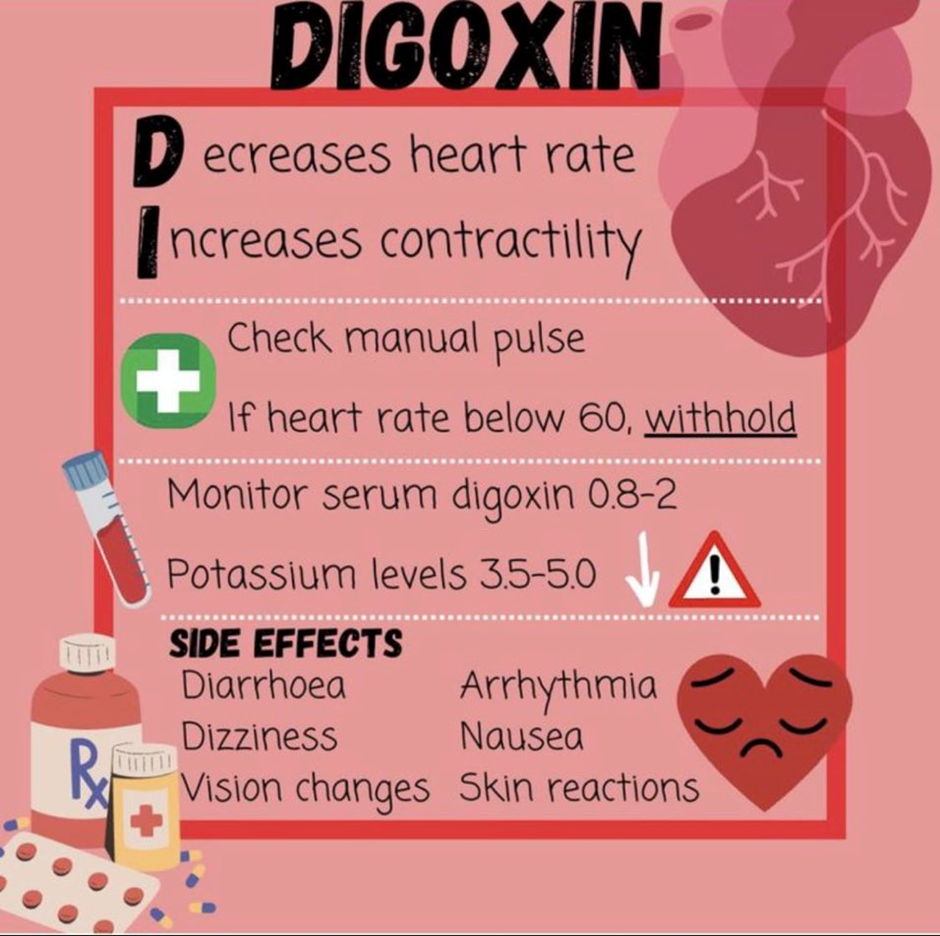
Weight gain of 0.7 kg (1.5 lb) in 24 hours is not recommendable. While sudden weight gain can indicate fluid retention, it is not a direct contraindication for administering digoxin. However, it might indicate worsening heart failure, which needs attention, but it doesn't specifically necessitate withholding digoxin.
Choice B Reason:
Urinary output 30 mL/hr is not recommendable. A low urinary output might indicate decreased kidney perfusion or renal issues. While monitoring urinary output is important, it is not a direct reason to withhold digoxin unless it's coupled with severe renal impairment or an acute kidney injury.
For a client receiving digoxin, certain findings would warrant withholding the medication due to potential complications. Among the options provided:
Choice C Reason:
Pulse rate 56/min is the correct recommendation. A low pulse rate (bradycardia), especially below 60 beats per minute, is a reason to withhold digoxin. Digoxin can further decrease the heart rate, potentially leading to excessive bradycardia or heart block. The nurse should hold the medication and consult with the healthcare provider to determine the appropriate action.
Choice D Reason:
BP 160/90 mm Hg is not recommendable. Elevated blood pressure alone is not a direct contraindication for administering digoxin to a patient with heart failure. Digoxin is not primarily used for controlling blood pressure; its use is more focused on managing heart rate and contractility in heart failure patients.
Correct Answer is C
Explanation
Choice A Reason:
Dark amber urine is incorrect. Dark urine can indicate concentrated urine, often seen in dehydration when the body is trying to conserve water.
Choice B Reason:
Decreased skin turgor is incorrect. Decreased skin turgor is a classic sign of dehydration, indicating that the skin lacks elasticity due to insufficient fluid intake or loss.
Choice C Reason:
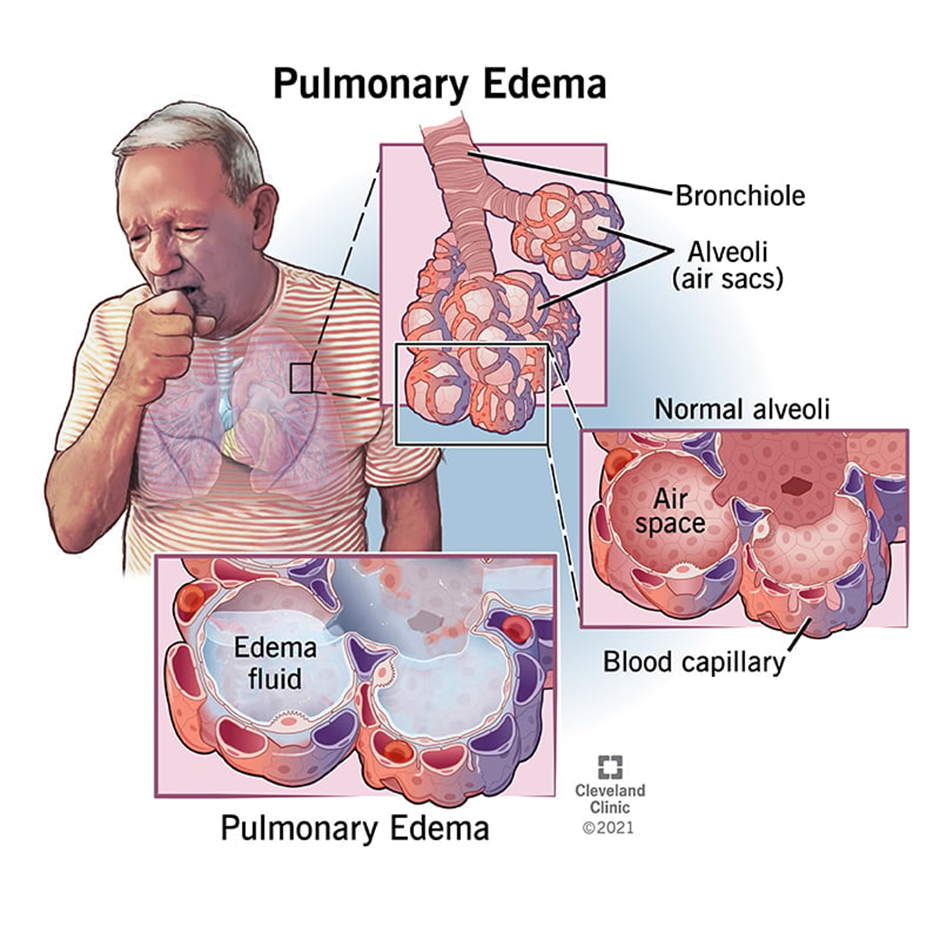
Pink, frothy sputum is correct. Normal saline is a common intravenous solution used to treat dehydration. However, in some cases, especially when administered in excessive amounts, it can lead to fluid overload or pulmonary edema. This can manifest as pink, frothy sputum, indicating potential pulmonary congestion or edema, which is a serious adverse effect of fluid overload.
Choice D Reason:
Increased bowel sounds is incorrect. Increased bowel sounds can be seen in various conditions, including gastrointestinal disturbances or hyperactive bowel motility, but it's not typically associated with the adverse effects of normal saline administration.
Whether you are a student looking to ace your exams or a practicing nurse seeking to enhance your expertise , our nursing education contents will empower you with the confidence and competence to make a difference in the lives of patients and become a respected leader in the healthcare field.
Visit Naxlex, invest in your future and unlock endless possibilities with our unparalleled nursing education contents today