
A nurse is discussing the use of mechanical restraints with a newly licensed nurse. Which of the following situations should the nurse include as an indication for placing a client in mechanical restraints?
Self-destructive behavior despite alternative interventions
Discipline for throwing objects at staff
Punishment for verbally abusing other clients
Coercion to take prescribed medications
The Correct Answer is A
A. Self-destructive behavior despite alternative interventions: Mechanical restraints may be considered when a client poses an immediate risk of harm to themselves, and alternative interventions have been ineffective or are not feasible.
B. Discipline for throwing objects at staff: Mechanical restraints are not appropriate as a form of discipline. Restraints should only be used when there is an imminent risk of harm to the client or others.
C. Punishment for verbally abusing other clients: The use of restraints as a form of punishment is not ethical or appropriate. Restraints should be employed solely to prevent harm, not as a disciplinary measure.
D. Coercion to take prescribed medications: Coercion to take medications is not a valid reason for using mechanical restraints. Alternative approaches, such as therapeutic communication or discussing the need for medications with the client, should be explored.
Nursing Test Bank
Naxlex Comprehensive Predictor Exams
Related Questions
Correct Answer is B
Explanation
A. "Did you take your medicine this morning?": While medication adherence is important, this response does not directly address the client's distress or validate their experience. It may come across as dismissive.
B. "I'm sure the voices sound scary, I don't hear any voices speaking.": This response acknowledges the client's experience without confirming or denying the presence of the voices. It expresses empathy and provides reassurance, fostering a therapeutic relationship.
C. "The devil only talks to people who are receptive to his influence": This response introduces a belief system that may not align with the client's reality and could be perceived as judgmental. It's important to avoid imposing personal beliefs on clients experiencing hallucinations.
D. "You are not going to hell. You are a good person": While expressing support and reassurance is positive, making definitive statements about the client's fate or goodness may not be helpful. It's more effective to acknowledge the distress without making absolute affirmations.
Correct Answer is D
Explanation
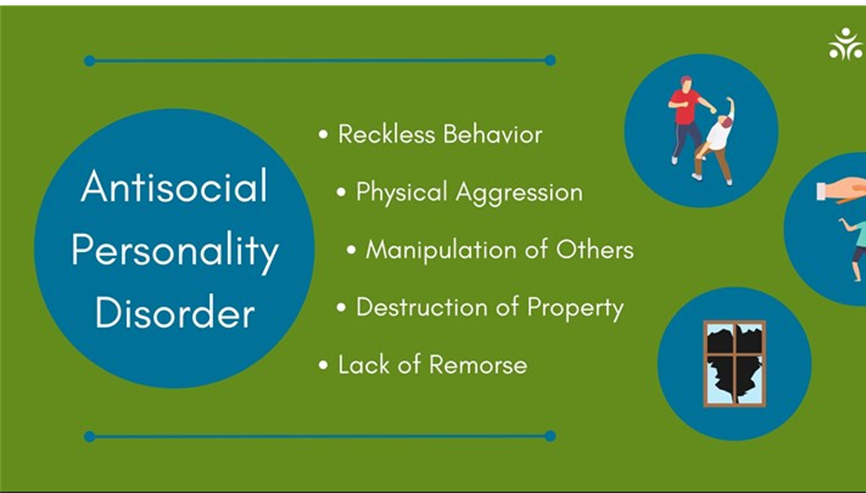
A. Concern for others: Individuals with antisocial personality disorder typically lack genuine concern for others and may exploit or manipulate them for personal gain.
B. Actively engaged in all unit activities: While engagement in activities can vary, the key feature of antisocial personality disorder is not a high level of engagement but rather a disregard for rules and the rights of others.
C. Mindful of following all of the unit rules: Individuals with antisocial personality disorder often have a history of rule-breaking and may not be consistently mindful of following societal or institutional rules. They may engage in behaviors that violate rules or laws.
D. Manipulative: This is the correct answer. Antisocial personality disorder is characterized by manipulative behaviors, where individuals exploit others for personal gain or pleasure. Manipulation is a key feature of this disorder.
Whether you are a student looking to ace your exams or a practicing nurse seeking to enhance your expertise , our nursing education contents will empower you with the confidence and competence to make a difference in the lives of patients and become a respected leader in the healthcare field.
Visit Naxlex, invest in your future and unlock endless possibilities with our unparalleled nursing education contents today