
A nurse is completing postmortem documentation for a client. Which of the following information should the nurse include in the documentation?
Location of the identification tag on the client's body
Cause of the client's death
Last set of the client's vital signs
Copy of the client's advance directives
The Correct Answer is A
a. Location of the identification tag on the client's body: This is essential information that should be included in the documentation. It ensures that the deceased person is properly identified and helps prevent any mix-ups during subsequent processes, such as transferring the body to the morgue or a funeral home.
b-While this information is important, it's typically documented by the physician on the death certificate and is not generally part of the nurse's postmortem documentation.
c-The last set of vital signs is not usually required for postmortem documentation. Postmortem documentation focuses on the condition of the body and identification rather than the final vital signs, which are often irrelevant after death.
d-Advance directives should be reviewed before death and guide the care provided, but they are not part of postmortem documentation. A copy of the client's advance directives may also be included in their medical record but is not typically included in postmortem documentation.
Nursing Test Bank
Naxlex Comprehensive Predictor Exams
Related Questions
Correct Answer is C
Explanation
When caring for a client with paranoid schizophrenia who has delusions or beliefs that are not based in reality, it is important to respond in a therapeutic and empathetic manner. Acknowledging the client's fear and validating their experience can help establish trust and promote open communication.
The response "This must be very frightening for you. Let's talk more about it" demonstrates empathy and a willingness to engage in further discussion, allowing the client to express their concerns and facilitating a therapeutic relationship.
Correct Answer is D
Explanation
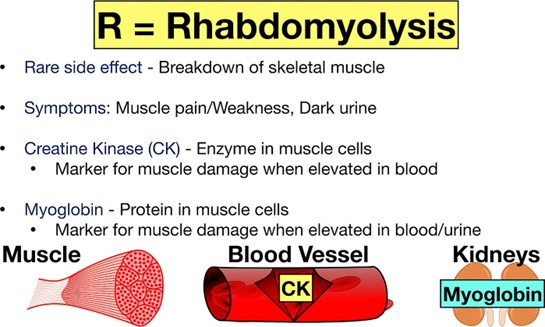
Atorvastatin is a medication used to lower cholesterol levels in the blood. One of the potential adverse effects of atorvastatin is myopathy, a condition characterized by muscle pain, weakness, and tenderness. In severe cases, myopathy can progress to rhabdomyolysis, a potentially life-threatening condition in which muscle breakdown products are released into the bloodstream and can cause kidney damage.
Therefore, the nurse should instruct the client to monitor for muscle pain, weakness, or tenderness and report these symptoms to the healthcare provider immediately. Hypoglycemia, palpitations, and daytime drowsiness are not commonly associated with atorvastatin use and would not require immediate reporting to the healthcare provider.
Whether you are a student looking to ace your exams or a practicing nurse seeking to enhance your expertise , our nursing education contents will empower you with the confidence and competence to make a difference in the lives of patients and become a respected leader in the healthcare field.
Visit Naxlex, invest in your future and unlock endless possibilities with our unparalleled nursing education contents today