
A nurse is collecting data from a client who has placenta previa. Which of the following findings should the nurse expect?
Increased fetal movement
Persistent uterine contractions
Rigid abdomen
Bright red vaginal bleeding
The Correct Answer is D
Bright red vaginal bleeding
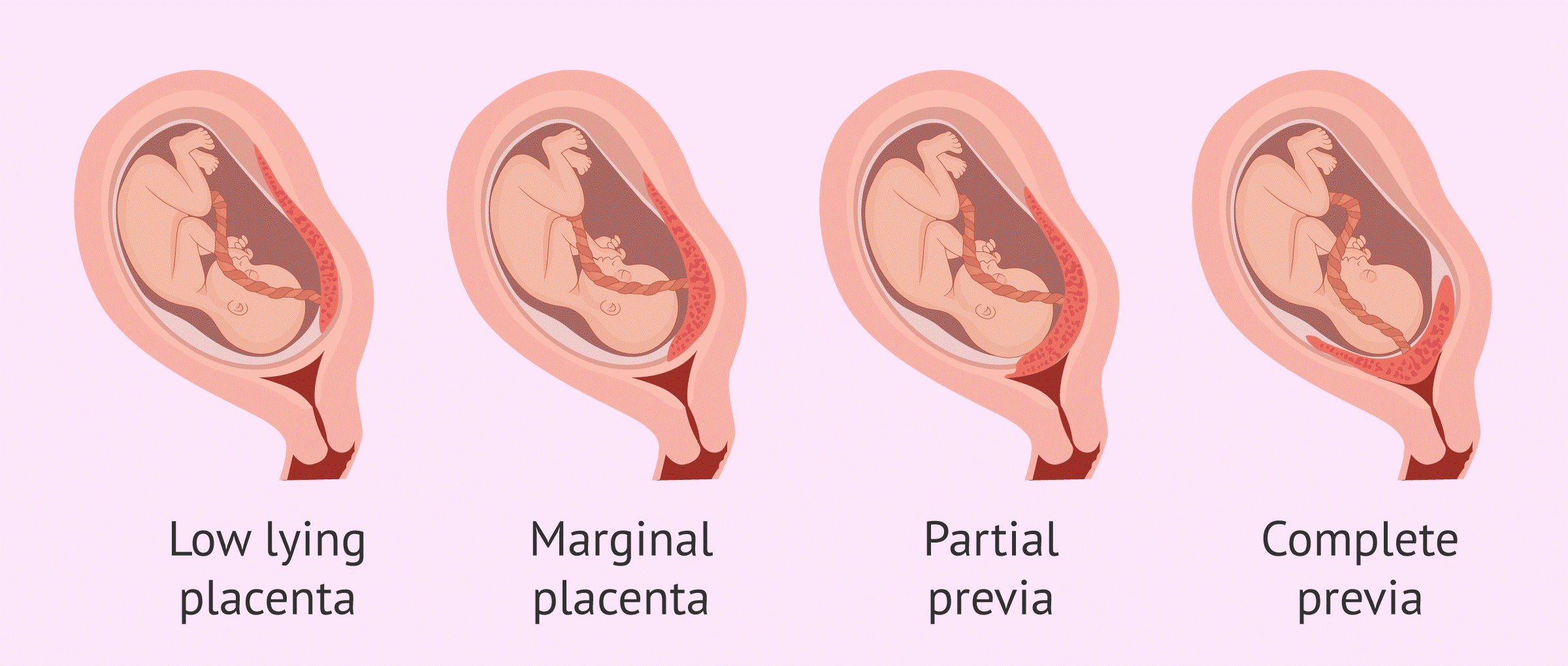
Placenta previa is a condition in which the placenta partially or completely covers the opening of the cervix. One of the hallmark findings of placenta previa is painless, bright red vaginal bleeding, typically occurring in the later stages of pregnancy. This bleeding can be sudden and heavy or intermittent. It is important for the nurse to recognize this sign and promptly report it to the healthcare provider.
Increased fetal movement in (option A) is incorrect: Fetal movement is not directly related to placenta previa and may vary depending on the individual fetus.
Persistent uterine contractions in (option B): Persistent uterine contractions are more commonly associated with conditions such as preterm labour or uterine irritability, rather than placenta previa.
Rigid abdomen in (option C): A rigid abdomen may indicate uterine hypertonus or other complications, but it is not a specific finding of placenta previa.
Nursing Test Bank
Naxlex Comprehensive Predictor Exams
Related Questions
Correct Answer is C
No explanation
Correct Answer is D
Explanation
Fidelity, also known as loyalty or faithfulness, refers to the nurse's commitment to keeping promises and fulfilling their responsibilities to the client. By promising to walk with the client in the outdoor courtyard each day, the nurse is demonstrating fidelity by maintaining their commitment to the client's well-being and providing the support needed to alleviate anxiety.
Autonomy refers to the client's right to make decisions about their own care and treatment. While the nurse's promise supports the client's autonomy by accommodating their preference for exercising in the courtyard, it is not the principle being demonstrated by the nurse.
Justice refers to fairness and equality in healthcare, ensuring equitable treatment and distribution of resources. While justice is an important ethical principle, it is not directly applicable in this situation.
Nonmaleficence is the principle of doing no harm and taking action to prevent harm to the client. While the nurse's promise of walking with the client aligns with the goal of reducing anxiety, it is not specifically related to preventing harm.
Whether you are a student looking to ace your exams or a practicing nurse seeking to enhance your expertise , our nursing education contents will empower you with the confidence and competence to make a difference in the lives of patients and become a respected leader in the healthcare field.
Visit Naxlex, invest in your future and unlock endless possibilities with our unparalleled nursing education contents today