
A nurse is checking laboratory results for a client. Which of the following laboratory findings indicates hypervolemia?
Serum calcium 10 mg/dL
Urine specific gravity 1.001
Serum sodium 138 mEq/L
Urine pH 6.1
The Correct Answer is B
A. Serum calcium levels are not directly indicative of hypervolemia.
B. A urine specific gravity of 1.001 indicates dilute urine, which is a common finding in hypervolemia as the kidneys attempt to excrete excess fluid.
C. Serum sodium levels within the normal range (e.g., 138 mEq/L) are not indicative of hypervolemia.
D. Urine pH of 6.1 is within the normal range and does not specifically indicate hypervolemia.
Nursing Test Bank
Naxlex Comprehensive Predictor Exams
Related Questions
Correct Answer is ["C","D"]
Explanation
A. illusions aren’t common in delirium
B. the client’s past medical history isn’t indicative of delirium.
C. Delirium can manifest as disorientation, confusion, agitation, restlessness, illusions, or hallucinations. It can also impair memory, judgment, and language.
D. Delirium can manifest as disorientation, confusion, agitation, restlessness, illusions, or hallucinations. It can also impair memory, judgment, and language.
Correct Answer is A
Explanation
A.
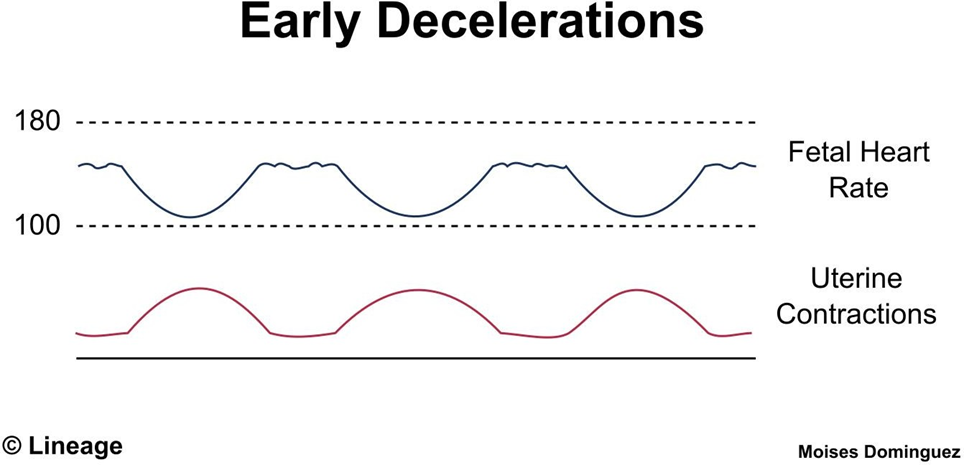
A. Early decelerations are typically benign and occur in response to head compression during contractions. They mirror the uterine contractions and are not associated with fetal distress.
B. Fetal hypoxia is associated with variable or late decelerations, not early decelerations.
C. Abruptio placentae is a medical emergency characterized by premature separation of the placenta from the uterine wall, which can lead to late decelerations due to fetal hypoxia.
D. Postmaturity is a term used to describe a pregnancy that extends beyond 42 weeks gestation and is not directly related to fetal heart rate patterns during labor.
Whether you are a student looking to ace your exams or a practicing nurse seeking to enhance your expertise , our nursing education contents will empower you with the confidence and competence to make a difference in the lives of patients and become a respected leader in the healthcare field.
Visit Naxlex, invest in your future and unlock endless possibilities with our unparalleled nursing education contents today