
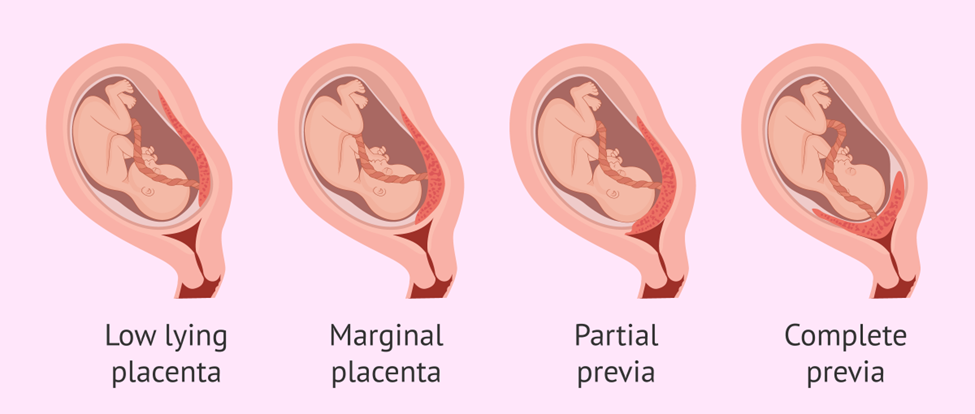
A client who has a diagnosis of complete placenta previa is admitted to the labor and
delivery suite at 36 weeks gestation with contractions 5 minutes in frequency and 1 minute in duration. Which of the following actions should the nurse take?
Rupture the amniotic sac.
Medicate the client for pain.
Prepare the client for a cesarean section.
Perform a vaginal exam.
The Correct Answer is C
A. Rupturing the amniotic sac in the case of complete placenta previa can lead to significant bleeding and is contraindicated.
B. Pain medication may be administered if needed, but the priority is to address the placenta previa and potential complications.
C. Complete placenta previa at 36 weeks gestation with contractions and bleeding is a clear
indication for an emergency cesarean section to prevent maternal hemorrhage and fetal distress.
D. Performing a vaginal exam can increase the risk of bleeding and should be avoided in cases of placenta previa.
Nursing Test Bank
Naxlex Comprehensive Predictor Exams
Related Questions
Correct Answer is B
Explanation
A. Vancomycin is not typically associated with hepatotoxicity.
B. Ototoxicity, which can manifest as hearing loss or tinnitus, is a potential adverse reaction of vancomycin therapy, especially with prolonged or high-dose therapy. Monitoring for signs of hearing impairment is essential.
C. Hypercalcemia is not a common adverse reaction associated with vancomycin therapy.
D. Hypertension is not a common adverse reaction associated with vancomycin therapy.
Correct Answer is A
Explanation
A. A flat anterior fontanel can indicate dehydration in infants, so this finding does not indicate effective treatment.
B. Oliguria, or decreased urine output, is a sign of dehydration and would not indicate effective treatment.
C. Oral intake of 4 oz every 3 hours indicates that the infant is able to drink fluids and is likely rehydrated, indicating effective treatment.
D. A capillary refill of 4 seconds is prolonged and can indicate poor perfusion, which is not indicative of effective treatment for dehydration.
Whether you are a student looking to ace your exams or a practicing nurse seeking to enhance your expertise , our nursing education contents will empower you with the confidence and competence to make a difference in the lives of patients and become a respected leader in the healthcare field.
Visit Naxlex, invest in your future and unlock endless possibilities with our unparalleled nursing education contents today