
A nurse is caring for an older adult client who reports dry, itchy skin. Which of the following actions should the nurse take?
Encourage the client to bathe frequently.
Apply powder to the client's skin.
Add moisturizing oil to the client's bath water.
Place a humidifier in the client's room.
The Correct Answer is D
Dry, itchy skin is a common concern in older adults, especially during the winter months or in dry environments. Increasing the humidity in the client's environment can help alleviate dryness and itching. Placing a humidifier in the client's room will add moisture to the air and help prevent excessive drying of the skin. It is important to ensure that the humidifier is clean and well-maintained to avoid the growth of bacteria or mould.
Encouraging the client to bathe frequently may further dry out the skin, so it is not recommended. Similarly, applying powder to the skin may exacerbate dryness and should be avoided. Adding moisturizing oil to the bath water may provide temporary relief, but a humidifier will have a more consistent and long-lasting effect on the client's environment.
Nursing Test Bank
Naxlex Comprehensive Predictor Exams
Related Questions
Correct Answer is A
Explanation
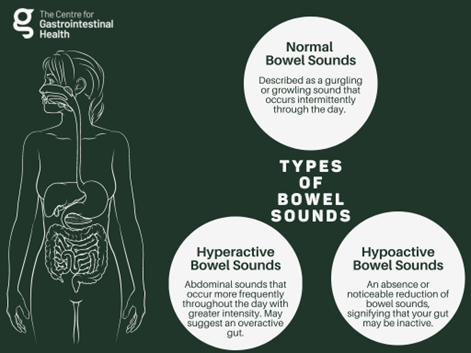
Hyperactive bowel sounds are bowel sounds that are louder and more frequent than normal. They may be heard as high-pitched rushing or tinkling sounds that occur irregularly at a rate greater than 5-6 sounds per minute. They are often associated with increased intestinal motility, such as diarrhea, gastroenteritis, or early bowel obstruction.
Option b is incorrect because hyperactive bowel sounds are not typically associated with a paralytic ileus, which is a condition where the bowel stops working and there is a lack of bowel sounds.
Option c is incorrect because hyperactive bowel sounds indicate increased motility, not decreased motility.
Option d is incorrect because soft bowel sounds at a rate of 1/min are considered hypoactive bowel sounds, which can be a sign of decreased intestinal motility, as seen in constipation or postoperative ileus.
Correct Answer is C
No explanation
Whether you are a student looking to ace your exams or a practicing nurse seeking to enhance your expertise , our nursing education contents will empower you with the confidence and competence to make a difference in the lives of patients and become a respected leader in the healthcare field.
Visit Naxlex, invest in your future and unlock endless possibilities with our unparalleled nursing education contents today