
A nurse is caring for a client who is postoperative immediately following a tonsillectomy. Which of the flowing snacks should the nurse offer the client?
Cranberry juice
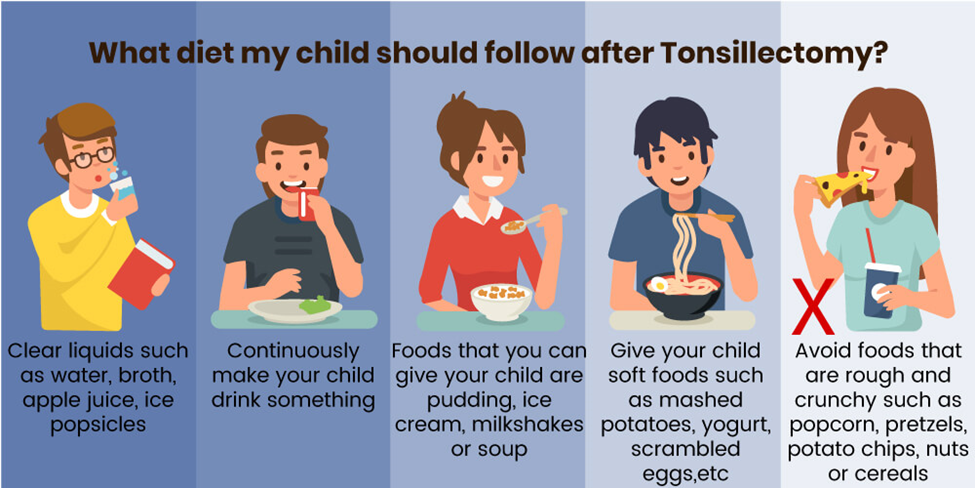
Ice-cream
Hot tea
Italian ice
Correct Answer : B,D
A. Cranberry juice
Cranberry juice may be too acidic and could irritate the surgical site. It's best to avoid acidic beverages immediately following a tonsillectomy.
B. Ice-cream
This option is suitable. Ice-cream is cold and soothing, and it can help numb the throat, providing relief from discomfort after a tonsillectomy. However, it's essential to ensure that the ice-cream is not too cold to avoid causing discomfort.
C. Hot tea
Hot tea is not recommended immediately following a tonsillectomy. Hot liquids can irritate the surgical site and may cause discomfort. It's best to avoid hot beverages until the throat has had time to heal.
D. Italian ice
Italian ice is a frozen dessert similar to a slushy, and it can be a suitable option after a tonsillectomy. Like ice-cream, Italian ice is cold and can help numb the throat, providing relief from discomfort.
Nursing Test Bank
Naxlex Comprehensive Predictor Exams
Related Questions
Correct Answer is C
Explanation
A. Administer the medication at mealtime.Ferrous sulfate is best absorbed on an empty stomach because food, especially those rich in calcium or tannins, can interfere with its absorption. Administering it with meals reduces its effectiveness.
B.While bedtime administration is not contraindicated, it is not necessary. The timing of administration should focus on maximizing absorption, typically between meals or on an empty stomach.
C. Ferrous sulfate can stain teeth if taken orally in liquid form. Using a straw minimizes contact with teeth, reducing the risk of discoloration. Parents should also be advised to encourage the child to rinse their mouth after taking the medication.
D. Dilute the medication with 240 mL of milk. Milk contains calcium, which inhibits the absorption of iron. Ferrous sulfate should not be taken with milk or dairy products to ensure optimal absorption.

Correct Answer is C
Explanation
A. "I will restrict the amount of salt in my child's meals."
Restricting salt intake is not typically recommended for children with cystic fibrosis (CF). In fact, individuals with CF often have increased salt requirements due to excessive salt loss through sweat. Restricting salt intake could potentially lead to electrolyte imbalances. Therefore, this statement does not demonstrate an understanding of the dietary management necessary for CF.
B. "I will put my child in daycare to ensure that she socializes with other children."
While socialization is important for a child's development, placing a child with CF in daycare may increase their risk of exposure to respiratory infections, which can be particularly dangerous for individuals with CF due to their compromised respiratory function. Therefore, this statement does not demonstrate an understanding of the infection control measures necessary for managing CF.
C. "I will make sure my child washes her hands before eating.”
This statement demonstrates an understanding of infection control measures, which are crucial for individuals with CF to reduce the risk of respiratory infections. Washing hands before eating helps prevent the transmission of bacteria and viruses that can cause respiratory infections. Therefore, this statement indicates an understanding of an important aspect of managing CF.
D. “I will provide low-fat meals for my child."
Providing low-fat meals is not typically recommended for children with CF. CF often leads to malabsorption of fats, so a diet high in calories and fat is typically recommended to ensure adequate nutrition and weight gain. Therefore, this statement does not demonstrate an understanding of the dietary recommendations necessary for managing CF.
Whether you are a student looking to ace your exams or a practicing nurse seeking to enhance your expertise , our nursing education contents will empower you with the confidence and competence to make a difference in the lives of patients and become a respected leader in the healthcare field.
Visit Naxlex, invest in your future and unlock endless possibilities with our unparalleled nursing education contents today