
A nurse is caring for a client who is postoperative following an endoscopy with moderate (conscious) sedation.
Which of the following assessment findings is the nurse's priority?
Level of pain.
Gag reflex.
Warmth of extremities.
Temperature.
The Correct Answer is B
The nurse’s priority should be to assess the client’s gag reflex.
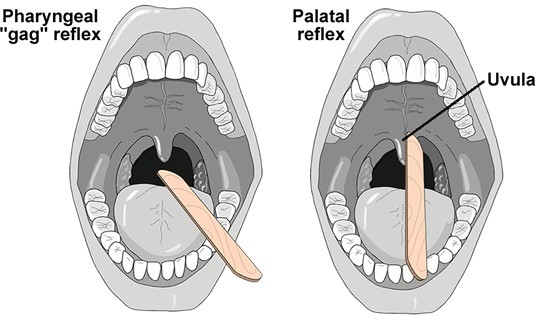
After an endoscopy with moderate (conscious) sedation, it is important to ensure that the client’s gag reflex has returned before allowing them to eat or drink.
Choice A is incorrect because while pain management is important, it is not the nurse’s priority in this situation.
Choice C is incorrect because the warmth of extremities is not the nurse’s priority in this situation.
Choice D is incorrect because temperature is not the nurse’s priority in this situation.
Nursing Test Bank
Naxlex Comprehensive Predictor Exams
Related Questions
Correct Answer is C
Explanation
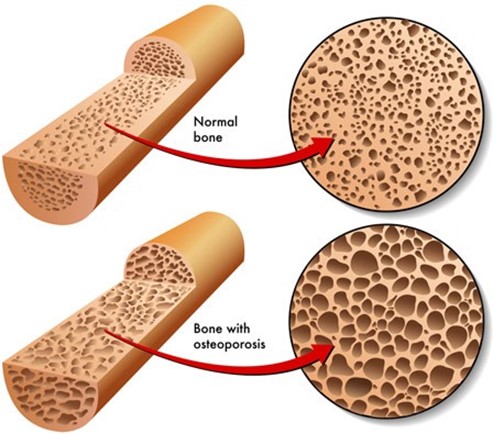
Leuprolide can cause bone loss, which can lead to osteoporosis and an increased risk of bone fractures.
Choice A, Pallor, is not the correct answer because pallor (pale skin) is not a common side effect of leuprolide.
Choice B, Increased appetite, is not the correct answer because increased appetite is not a common side effect of leuprolide.
Choice D, Hypoglycemia, is not the correct answer because hypoglycemia (low blood sugar) is not a common side effect of leuprolide.
Correct Answer is C
Explanation
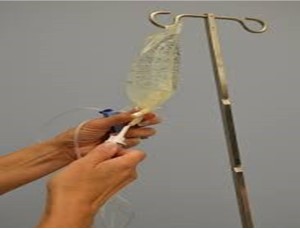
When administering packed RBCs, the tubing should be primed with 0.9% sodium chloride.
Transfusing each unit of blood over 5 hours (choice A) is not recommended as it may increase the risk of bacterial growth.
Packed RBCs should be transfused over 2 to 3 hours.
Changing the IV tubing after each unit of blood is transfused (choice B) is not necessary.
Administering the blood through a 22-gauge intravenous catheter (choice D) may not be appropriate as a larger gauge catheter is typically used for blood transfusions.
Whether you are a student looking to ace your exams or a practicing nurse seeking to enhance your expertise , our nursing education contents will empower you with the confidence and competence to make a difference in the lives of patients and become a respected leader in the healthcare field.
Visit Naxlex, invest in your future and unlock endless possibilities with our unparalleled nursing education contents today