
A nurse is caring for a 2-day-old newborn who was born at 35 weeks of gestation.
Which of the following actions should the nurse take
Diagnostic results
Escherichia coli infection resulting in necrotizing enterocolitis Hgb 10g/dL
Platelet count 50,000 mm
WBC count 4,000 mm3
The Correct Answer is A
The nurse should insert an orogastric decompression tube with low wall suction. The newborn has Escherichia coli infection resulting in necrotizing enterocolitis, which can cause abdominal distention, decreased activity level, and bloody stools. The newborn also has a superficial rash on the abdominal wall, which may indicate a bacterial infection. The presence of a fist clenching, thrashing, and crying during light palpation of the
abdomen may indicate pain caused by bowel distention. An orogastric decompression tube with low wall suction can help decompress the bowel and relieve abdominal distention.
Nursing Test Bank
Naxlex Comprehensive Predictor Exams
Related Questions
Correct Answer is D
Explanation
A.Cranial bone overlap (molding) is common after vaginal delivery due to compression during birth. It typically resolves within a few days and does not require urgent intervention.
B.These are called milia, which are harmless and expected in newborns. They resolve spontaneously without treatment.
C.This is known as acrocyanosis, a normal finding in newborns during the first 24–48 hours of life due to immature circulation. It is not a cause for concern unless central cyanosis is present (e.g., lips or mucous membranes are blue).
D.Abnormal positioning of the ears (e.g., low-set or forward and lateral) can be a sign of congenital anomalies, particularly renal abnormalities or chromosomal syndromes such as Trisomy 21 (Down syndrome) or Trisomy 18. Because these may indicate serious underlying systemic conditions, the nurse must report this finding promptly to initiate further evaluation and possibly diagnostic testing (e.g., renal ultrasound or genetic consultation).
Correct Answer is A
Explanation
Lentils. Lentils have the highest fiber content per cup compared to the other options. One cup of cooked lentils provides approximately 15.6 grams of fiber. Oatmeal provides approximately 4 grams of fiber per cup, asparagus provides approximately 3.6 grams of fiber per cup, and cabbage provides approximately 2.6 grams of fiber per cup. Increasing dietary fiber is an effective way to manage constipation during pregnancy, as it can promote bowel regularity and prevent complications such as hemorrhoids. The nurse can provide additional education on other high-fiber food options, the importance of drinking adequate fluids, and the need to increase physical activity to help manage constipation. 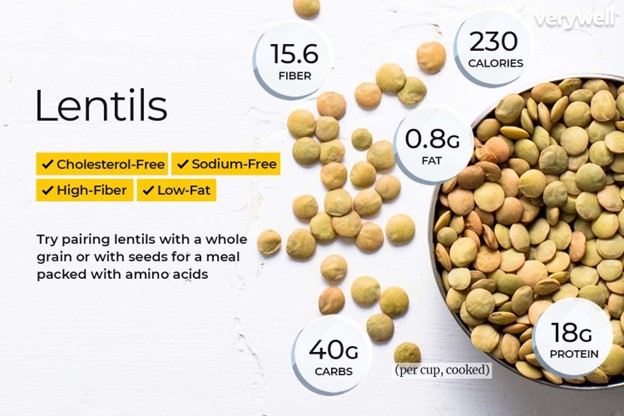
Whether you are a student looking to ace your exams or a practicing nurse seeking to enhance your expertise , our nursing education contents will empower you with the confidence and competence to make a difference in the lives of patients and become a respected leader in the healthcare field.
Visit Naxlex, invest in your future and unlock endless possibilities with our unparalleled nursing education contents today