
A nurse collecting data from a child who has cystic fibrosis. Which of the following findings should the nurse expect? (select all that apply)
Wheezing
Barrel-shaped chest
Thin, watery mucous
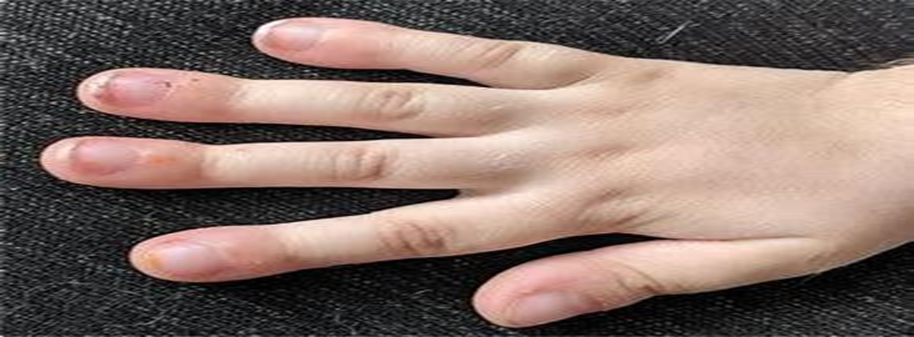
Clubbing of fingers and toes
Rapid growth spurts
Correct Answer : A,B,D
A. Wheezing. Cystic fibrosis can cause airway obstruction due to thickened mucus, leading to wheezing and difficulty breathing, especially during respiratory infections or exacerbations.
B. A barrel-shaped chest is often seen in advanced stages of cystic fibrosis. It results from hyperinflation of the lungs due to air trapping, chronic lung disease, and repeated respiratory infections. The chest appears rounded and enlarged, similar to the shape of a barrel.

D. Clubbing of fingers and toes is a common finding in cystic fibrosis. It is caused by chronic hypoxia and inadequate oxygenation of tissues, leading to changes in the nail beds and fingertips. Clubbing typically develops over time in individuals with chronic respiratory conditions, including cystic fibrosis.
C. Thin, watery mucous is not expected in cystic fibrosis. Instead, cystic fibrosis is characterized by thick, sticky mucus due to dysfunction of the exocrine glands, leading to blockages in the airways, pancreas, and other organs.
E. Rapid growth spurts are not typically associated with cystic fibrosis. In fact, children with cystic fibrosis may experience growth failure or delayed growth due to malabsorption of nutrients, chronic illness, and increased energy expenditure.
Nursing Test Bank
Naxlex Comprehensive Predictor Exams
Related Questions
Correct Answer is ["A","B","D"]
Explanation
A. Wheezing. Cystic fibrosis can cause airway obstruction due to thickened mucus, leading to wheezing and difficulty breathing, especially during respiratory infections or exacerbations.
B. A barrel-shaped chest is often seen in advanced stages of cystic fibrosis. It results from hyperinflation of the lungs due to air trapping, chronic lung disease, and repeated respiratory infections. The chest appears rounded and enlarged, similar to the shape of a barrel.
D. Clubbing of fingers and toes is a common finding in cystic fibrosis. It is caused by chronic hypoxia and inadequate oxygenation of tissues, leading to changes in the nail beds and fingertips. Clubbing typically develops over time in individuals with chronic respiratory conditions, including cystic fibrosis.
C. Thin, watery mucous is not expected in cystic fibrosis. Instead, cystic fibrosis is characterized by thick, sticky mucus due to dysfunction of the exocrine glands, leading to blockages in the airways, pancreas, and other organs.
E. Rapid growth spurts are not typically associated with cystic fibrosis. In fact, children with cystic fibrosis may experience growth failure or delayed growth due to malabsorption of nutrients, chronic illness, and increased energy expenditure.
Correct Answer is ["A","B","D","E"]
Explanation
A. Observation for increasing intracranial pressure is a critical intervention in the care of a child with infectious meningitis. Meningitis can lead to inflammation of the meninges, which may result in increased pressure within the skull.
B. Isolation precautions may be necessary depending on the causative organism and mode of transmission of the infectious meningitis. Bacterial meningitis, for example, may require droplet precautions to prevent the spread of infection to others.
D. Lumbar puncture (also known as a spinal tap) is a diagnostic procedure often performed to collect cerebrospinal fluid (CSF) for analysis in cases of suspected meningitis. It is an essential intervention in the diagnostic workup of infectious meningitis as it helps identify the causative organism and guide appropriate treatment.
C. Seizure precautions are important for children with infectious meningitis, as meningitis can increase the risk of seizures due to inflammation and irritation of the brain.
C. Bright lights can exacerbate symptoms such as headache and photophobia (sensitivity to light) in patients with meningitis, especially during the acute phase of illness. Therefore, it is not advisable to turn lights on to brighten the room for a child with infectious meningitis.
Whether you are a student looking to ace your exams or a practicing nurse seeking to enhance your expertise , our nursing education contents will empower you with the confidence and competence to make a difference in the lives of patients and become a respected leader in the healthcare field.
Visit Naxlex, invest in your future and unlock endless possibilities with our unparalleled nursing education contents today