
A client with a family history of cardiac disease is seeking information to control risk factors. Which lifestyle modification is most important for the nurse to encourage?
Regular exercise.
Smoking cessation.
Low fat diet.
Stress reduction.
The Correct Answer is B
B. Smoking is a major risk factor for cardiovascular disease, including coronary artery disease, peripheral artery disease, and stroke. Encouraging smoking cessation is crucial because it can significantly reduce the risk of developing cardiac-related complications.
A. While regular physical activity is crucial for overall health, in terms of priority, other lifestyle modifications may have a more immediate impact on reducing cardiac risk factors.
C. While dietary modifications are important, they may not have as immediate and direct an impact on reducing cardiac risk factors as smoking cessation.
D. While stress reduction techniques, such as mindfulness, meditation, relaxation exercises, and stress management strategies, can be beneficial for overall health, their impact on reducing cardiac risk factors may be more indirect and variable compared to other lifestyle modifications.
Nursing Test Bank
Naxlex Comprehensive Predictor Exams
Related Questions
Correct Answer is C
Explanation
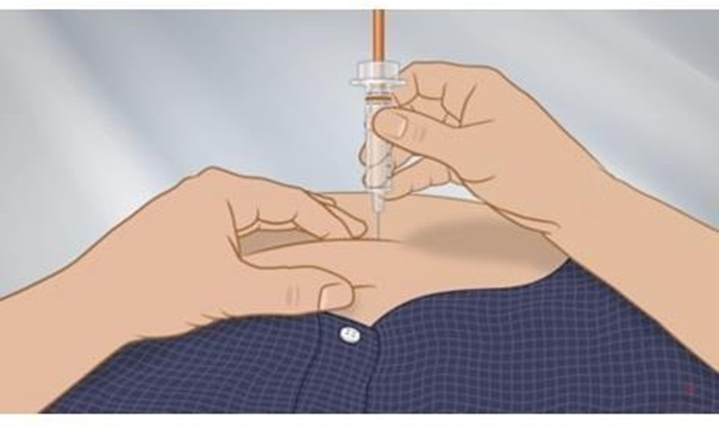
C. This instruction ensures proper administration technique and minimizes the risk of injury or discomfort at the injection site. Injecting in the abdominal area provides a large and accessible SUBQ site for medication absorption. The distance of at least 2 inches (5.1 cm) from the umbilicus helps avoid injection into the umbilical region, reducing the risk of irritation or injury to the umbilicus.
A. Massaging the injection site is not recommended as it may cause the medication to disperse too quickly.
B. Rotating between the abdomen and gluteal areas is unnecessary for subcutaneous injections of this type.
D. It is also not required to expel the air from the prefilled syringe, as the air bubble can help ensure all the medication is administered.
Correct Answer is D
Explanation
D. Starting with less sensitive questions allows the nurse to establish rapport with the client and create a comfortable environment before addressing more sensitive topics. This approach helps build trust and encourages the client to open up about their concerns regarding sexual activity.
A. Sharing personal values may not be appropriate as it could potentially introduce bias or make the client feel uncomfortable if their values differ from those of the nurse.
B. Asking vague or nonspecific questions may result in incomplete or unclear information from the client, leading to ineffective assessment and care planning.
C. Starting with the most difficult questions may cause the client to feel overwhelmed or defensive, hindering open communication.
Whether you are a student looking to ace your exams or a practicing nurse seeking to enhance your expertise , our nursing education contents will empower you with the confidence and competence to make a difference in the lives of patients and become a respected leader in the healthcare field.
Visit Naxlex, invest in your future and unlock endless possibilities with our unparalleled nursing education contents today