
A client who has metastatic bone cancer tells the nurse, “I want to go home to die.” The client’s family is concerned about meeting the client’s care needs at home. Which of the following actions should the nurse take?
Discuss a referral to home health and hospice care with the client and family.
Contact the social worker to assist with nursing home placement.
Talk with the provider about extending the client’s hospital stay.
Instruct the family about meeting the client’s palliative care needs at home.
The Correct Answer is A
A. Discuss a referral to home health and hospice care with the client and family.
This is the correct answer. Discussing a referral to home health and hospice care addresses the client's expressed desire to go home and provides the necessary support and care for both the client and the family during this challenging time.
B. Contact the social worker to assist with nursing home placement.
This option may not align with the client's wish to go home. Nursing home placement may not be the preferred choice, especially when the client wants to spend their final days in a home setting.
C. Talk with the provider about extending the client’s hospital stay.
Prolonging the hospital stay may not meet the client's expressed wish to go home and may not provide the same level of comfort and support as home health and hospice care.
D. Instruct the family about meeting the client’s palliative care needs at home.
While providing information about meeting palliative care needs at home is important, it is more comprehensive to involve home health and hospice services, which can provide skilled care, emotional support, and assistance to the family in managing the client's care needs at home.
Nursing Test Bank
Naxlex Comprehensive Predictor Exams
Related Questions
Correct Answer is B
Explanation
A. “Most of my calories each day should be from fats.”
This statement is not accurate. While fats are essential for a balanced diet, it is not recommended for the majority of calories to come from fats. The emphasis should be on a variety of macronutrients, including carbohydrates and proteins.
B. “I should eat more calories from complex carbohydrates than anything else.”
This is the correct choice. Individuals with diabetes are often encouraged to obtain the majority of their calories from complex carbohydrates. These include whole grains, vegetables, and legumes, which have a slower impact on blood glucose levels.
C. “Simple sugars are needed more than other calorie sources.”
This statement is not accurate for individuals with diabetes. Simple sugars can lead to rapid spikes in blood glucose levels and should be consumed in moderation.
D. “Protein should be my main source of calories.”
This statement is not accurate. While protein is important for overall health, it is not recommended for protein to be the main source of calories. A balanced diet with an emphasis on complex carbohydrates is typically recommended.
Correct Answer is B
Explanation
A. Ensure the rope knots are away from the pulleys.
While ensuring that rope knots are away from the pulleys is a general principle in traction care to maintain proper functioning, it is not directly related to the specific positioning of the child's feet in Buck's traction.
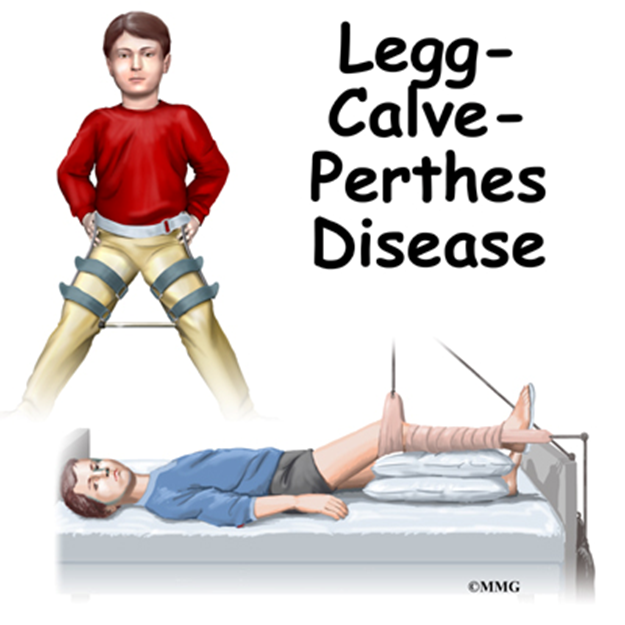
B. Ensure the child’s feet are against the footboard.
This statement is correct. Ensuring that the child's feet are against the footboard helps maintain proper hip alignment and prevent complications such as contractures. It is an important aspect of care when managing Legg-Calve-Perthes disease in Buck's traction.
C. Apply antibiotic ointment to the pin sites daily.
This action is not applicable to Buck's traction. Buck's traction involves the use of a boot or splint, and it does not include pins or pin sites. The use of antibiotic ointment for pin sites is more relevant in the context of skeletal traction.
D. Reduce the child’s fluid intake.
There is no indication to reduce the child's fluid intake specifically in the context of Buck's traction. Adequate hydration is generally important for overall health, and fluid restriction is not a standard practice for managing Legg-Calve-Perthes disease in Buck's traction.
Whether you are a student looking to ace your exams or a practicing nurse seeking to enhance your expertise , our nursing education contents will empower you with the confidence and competence to make a difference in the lives of patients and become a respected leader in the healthcare field.
Visit Naxlex, invest in your future and unlock endless possibilities with our unparalleled nursing education contents today