
A 9-year-old client who has been diagnosed with autism spectrum disorder would be expected to display which behavior?
The client has multiple motor tics and several vocal tics.
The client becomes overly atached to those around them.
The client spends time alone and shows litle interest in making friends.
The client has an irresistible urge to pull out their own hair.
The Correct Answer is C
Choice A reason: Multiple motor and vocal tics are more indicative of Tourete syndrome, not autism spectrum disorder.
Choice B reason: Overly atached behavior is not typically associated with autism spectrum disorder; individuals with ASD may struggle with social atachments.
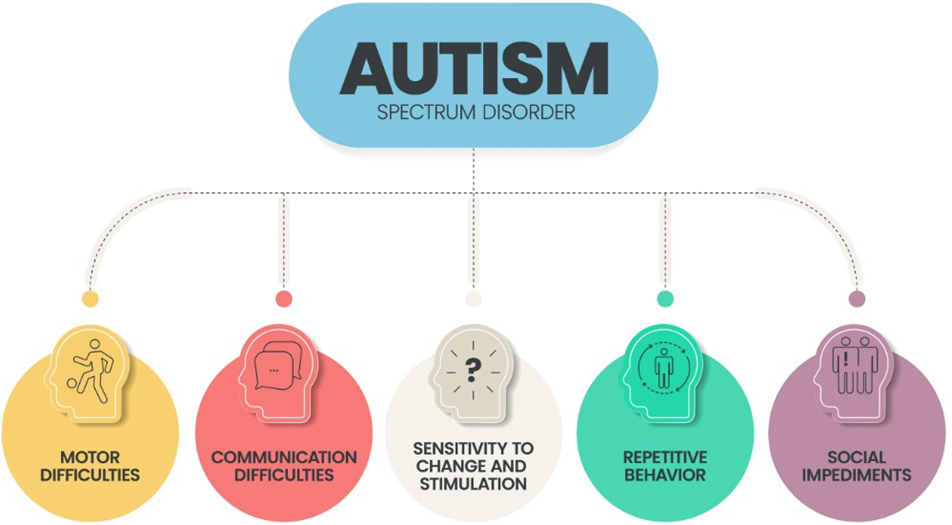
Choice C reason: This is the correct choice. Individuals with autism spectrum disorder often display a preference for solitary activities and may have difficulty forming friendships.
Choice D reason: An irresistible urge to pull out one's hair is characteristic of trichotillomania, not autism spectrum
disorder.
Nursing Test Bank
Naxlex Comprehensive Predictor Exams
Related Questions
Correct Answer is D
Explanation
Choice A reason: This choice is incorrect as prescribing medications is not within the scope of practice for a basic- level psychiatric-mental health nurse.
Choice B reason: Conducting family therapy typically requires advanced training and is not usually within the scope of a basic-level nurse.
Choice C reason: Interpreting laboratory tests is generally not within the scope of a basic-level psychiatric-mental health nurse.
Choice D reason: This is the correct choice. Promoting symptom management is an appropriate intervention for a psychiatric-mental health nurse at the basic level of practice.
Correct Answer is B
Explanation
Choice A reason: Suggesting a move to a group home based on symptom presence may not be appropriate. Quality of life can be improved in various living situations, and the decision should be individualized.
Choice B reason: This statement is supportive and realistic, acknowledging that while symptoms may persist, quality of life can still improve with ongoing treatment.
Choice C reason: This question could be perceived as confrontational. It's important to discuss the treatment plan's value in a way that is supportive and understanding.
Choice D reason: The medical model aims to reduce symptoms, but it is not always possible to eliminate them entirely. Recovery involves managing symptoms and improving quality of life.
Whether you are a student looking to ace your exams or a practicing nurse seeking to enhance your expertise , our nursing education contents will empower you with the confidence and competence to make a difference in the lives of patients and become a respected leader in the healthcare field.
Visit Naxlex, invest in your future and unlock endless possibilities with our unparalleled nursing education contents today