
Schizophrenia is most often characterized by which assessment finding?
Separate personalities
Mood swings and hostility
Preoccupation with somatic symptoms
Thought disturbances and hallucinations
The Correct Answer is D
Choice A reason: Separate personalities are not a characteristic of schizophrenia; this is a common misconception. The disorder involving separate personalities is more accurately associated with dissociative identity disorder.
Choice B reason: While mood swings and hostility can occur in schizophrenia, they are not defining features of the disorder. Schizophrenia is primarily characterized by psychosis, which includes delusions and hallucinations.
Choice C reason: Preoccupation with somatic symptoms is more commonly associated with somatic symptom disorder, not schizophrenia. Schizophrenia involves a range of symptoms including cognitive and emotional dysfunctions.
Choice D reason: Thought disturbances, such as disorganized thinking, and hallucinations, particularly auditory ones, are hallmark symptoms of schizophrenia and are often used in its assessment.
Nursing Test Bank
Naxlex Comprehensive Predictor Exams
Related Questions
Correct Answer is C
Explanation
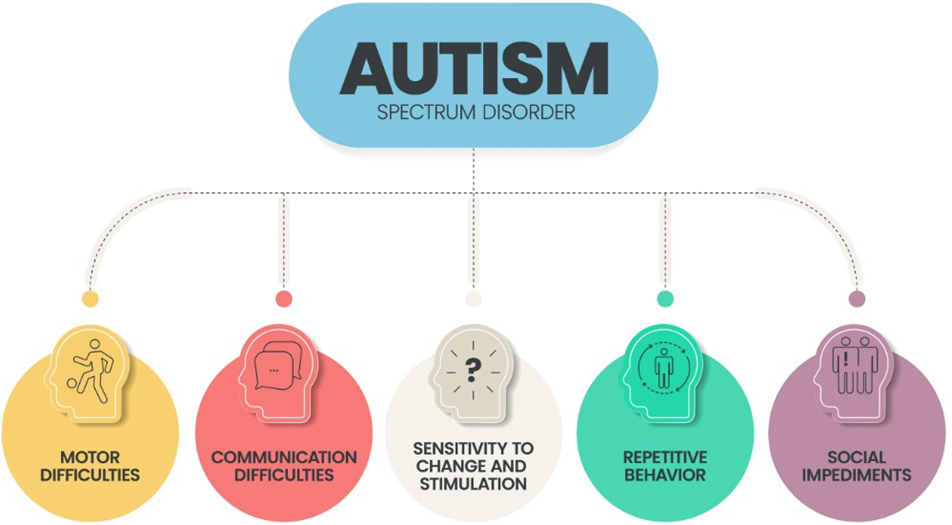
Choice A reason: Multiple motor and vocal tics are more indicative of Tourete syndrome, not autism spectrum disorder.
Choice B reason: Overly atached behavior is not typically associated with autism spectrum disorder; individuals with ASD may struggle with social atachments.
Choice C reason: This is the correct choice. Individuals with autism spectrum disorder often display a preference for solitary activities and may have difficulty forming friendships.
Choice D reason: An irresistible urge to pull out one's hair is characteristic of trichotillomania, not autism spectrum
disorder.
Correct Answer is C
Explanation
Choice A reason: Other complaints are important but do not directly address the issue of sleep disturbance due to ADHD medication.
Choice B reason: Crushing a sustained-release tablet can release the medication too quickly, but it is not related to the timing of the medication affecting sleep.
Choice C reason: This is the correct choice. The timing of ADHD medication is crucial as stimulants can cause sleep issues if taken too late in the day.
Choice D reason: While over-the-counter medications can affect sleep, the timing of ADHD medication is more likely to be the cause of sleep problems.
Whether you are a student looking to ace your exams or a practicing nurse seeking to enhance your expertise , our nursing education contents will empower you with the confidence and competence to make a difference in the lives of patients and become a respected leader in the healthcare field.
Visit Naxlex, invest in your future and unlock endless possibilities with our unparalleled nursing education contents today