
What should the nurse report to the doctor immediately when caring for a patient following a concussion?
When patient is fully oriented
Difficulty in awakening, lethargy, dizziness, confusion, irritability, anxiety
When patient is easy to arouse
All of the above
The Correct Answer is B
Choice A: When patient is fully oriented is incorrect because it is a positive sign of recovery from a concussion. It means that the patient is aware of their person, place, time, and situation. The nurse should monitor the patient's orientation status but does not need to report it to the doctor immediately.
Choice B: Difficulty in awakening, lethargy, dizziness, confusion, irritability, anxiety are correct because they are signs of worsening brain injury or complications from a concussion. They may indicate increased intracranial pressure, bleeding, swelling, or infection in the brain. The nurse should report these symptoms to the doctor immediately and prepare for further diagnostic tests or interventions.
Choice C: When patient is easy to arouse is incorrect because it is also a positive sign of recovery from a concussion. It means that the patient responds quickly and appropriately to verbal or physical stimuli. The nurse should monitor the patient's level of consciousness but does not need to report it to the doctor immediately.
Choice D: All of the above are incorrect because only choice b) requires immediate reporting to the doctor. Choices a) and c) are normal or expected outcomes of a concussion and do not indicate any danger or complication. The nurse should use clinical judgment and follow the guidelines for concussion management and care.
Nursing Test Bank
Naxlex Comprehensive Predictor Exams
Related Questions
Correct Answer is C
Explanation
Choice A: Headache is not a late sign of intracranial pressure, but rather an early sign of increased pressure or irritation of the meninges.
Choice B: Confusion is not a late sign of intracranial pressure, but rather an early sign of impaired cognition or orientation.
Choice C: Stupor to coma is a late sign of intracranial pressure, as it indicates a severe deterioration of consciousness or brain function.
Choice D: Weakness is not a late sign of intracranial pressure, but rather a sign of focal neurological deficit or hemiparesis.

Correct Answer is D
Explanation
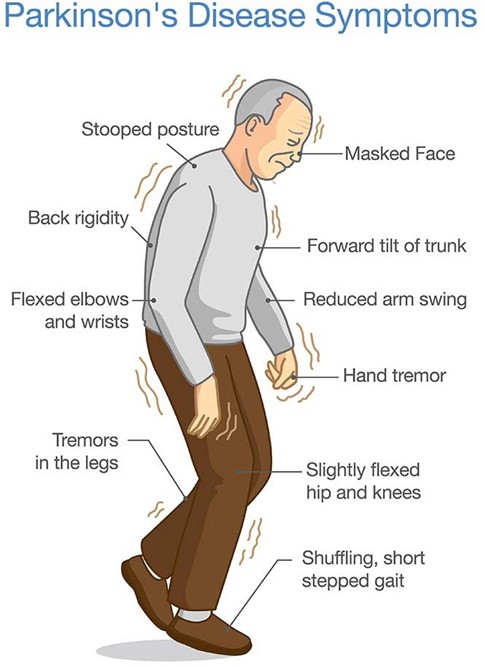
Choice a) is incorrect because Parkinson's disease is not an acute condition, but a chronic one that develops over time.
Choice b) is incorrect because Parkinson's disease is not associated with decreased levels of acetylcholine, but with decreased levels of dopamine. Acetylcholine is another neurotransmiter that is involved in muscle movement and memory.
Choice c) is incorrect because Parkinson's disease is not an acute condition, nor is it associated with decreased levels of acetylcholine.
Choice d) is correct because Parkinson's disease is a slow, progressive neurologic movement disorder that results from the loss of dopamine-producing cells in the brain. Dopamine is a neurotransmiter that helps regulate movement, mood, and motivation.
Whether you are a student looking to ace your exams or a practicing nurse seeking to enhance your expertise , our nursing education contents will empower you with the confidence and competence to make a difference in the lives of patients and become a respected leader in the healthcare field.
Visit Naxlex, invest in your future and unlock endless possibilities with our unparalleled nursing education contents today