
Maintaining an airway would include:
Frequent vital sign monitoring including accurate blood sugars
Accurate intake and output records
Updating the patient's family on status
Head of bed 30 degrees, suctioning, oral hygiene and monitoring of respiratory status
The Correct Answer is D
Choice A: Frequent vital sign monitoring including accurate blood sugars is not a direct intervention for maintaining an airway, but rather a general measure to monitor the patient's condition and prevent complications.
Choice B: Accurate intake and output records is not a direct intervention for maintaining an airway, but rather a general measure to monitor the patient's fluid and electrolyte balance and prevent dehydration or overhydration.
Choice C: Updating the patient's family on status is not a direct intervention for maintaining an airway, but rather a supportive measure to provide information and emotional support to the patient's family.
Choice D: Head of bed 30 degrees, suctioning, oral hygiene and monitoring of respiratory status is a correct intervention for maintaining an airway, as it can reduce the risk of aspiration, infection, and obstruction of the airway.
Nursing Test Bank
Naxlex Comprehensive Predictor Exams
Related Questions
Correct Answer is C
Explanation
Choice A: CVA is a temporary neurologic deficit and a TIA is more long-term deficit is not correct, as it reverses the definitions of CVA and TIA.
Choice B: There is no difference is not correct, as there are significant differences between CVA and TIA in terms of duration, severity, and prognosis.
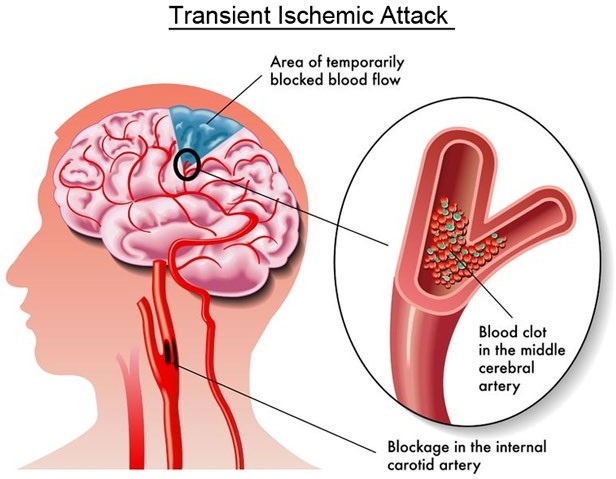
Choice C: TIA is a temporary neurologic deficit and a CVA is more long-term deficit is correct, as it accurately describes the difference between CVA and TIA. A TIA is a brief episode of neurologic dysfunction caused by focal brain ischemia that resolves within 24 hours, while a CVA is a permanent or lasting damage to brain tissue caused by ischemia or hemorrhage.
Choice D: CVA results from temporary impairment of blood flow and TIA is long-term impairment is not correct, as it reverses the causes of CVA and TIA.
Correct Answer is D
Explanation
Choice A: Dark quiet room is correct, as it can reduce the sensory stimulation and help the patient relax and rest.
Choice B: Massage is correct, as it can relieve muscle tension and improve blood circulation in the head and neck.
Choice C: Pain medication is correct, as it can reduce inflammation and block pain signals in the brain.
Choice D: All of the above is correct, as all of these interventions can help manage headache.
Whether you are a student looking to ace your exams or a practicing nurse seeking to enhance your expertise , our nursing education contents will empower you with the confidence and competence to make a difference in the lives of patients and become a respected leader in the healthcare field.
Visit Naxlex, invest in your future and unlock endless possibilities with our unparalleled nursing education contents today