
Which of the following is a modifiable risk factor of strokes?
Ethnicity
Gender
Age
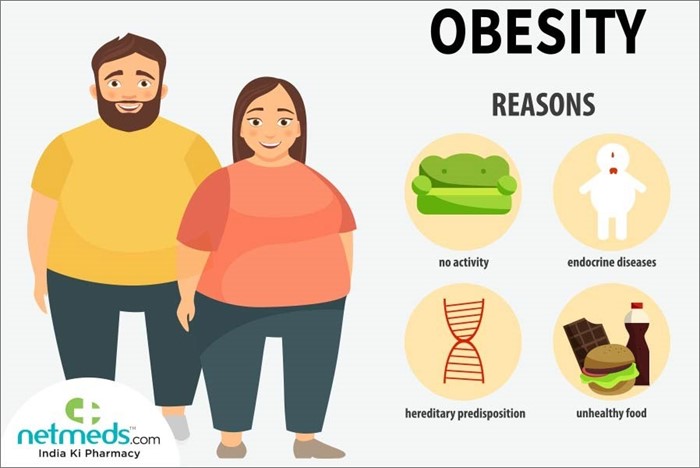
Obesity
The Correct Answer is D
Choice A: Ethnicity is not a modifiable risk factor of strokes, as it is determined by genetic and cultural factors that cannot be changed.
Choice B: Gender is not a modifiable risk factor of strokes, as it is determined by biological and hormonal factors that cannot be changed.
Choice C: Age is not a modifiable risk factor of strokes, as it is determined by chronological factors that cannot be changed.
Choice D: Obesity is a modifiable risk factor of strokes, as it can be reduced by lifestyle changes such as diet and exercise. Obesity can increase the risk of strokes by causing high blood pressure, diabetes, and heart disease.
Nursing Test Bank
Naxlex Comprehensive Predictor Exams
Related Questions
Correct Answer is A
Explanation
Choice A: Object penetrates the brain or trauma is so severe that the scalp and skull are opened is correct because it is the definition of an open traumatic brain injury. An open traumatic brain injury occurs when a foreign object such as a bullet, knife, or bone fragment enters the brain or when a blunt force trauma such as a fall, collision, or assault causes a fracture or laceration of the skull. This can damage the brain tissue, blood vessels, and nerves and cause bleeding, swelling, or infection.
Choice B: Stress is incorrect because it is not a type of traumatic brain injury. Stress is a psychological or emotional response to a challenging or threatening situation. It can affect the brain function and health, but it does not cause physical damage to the brain tissue.
Choice C: Acceleration/deceleration injury occurs when the head accelerates and then rapidly decelerates, damaging brain tissue is incorrect because it is not an open traumatic brain injury. It is a type of closed traumatic brain injury, which occurs when the head moves violently without breaking the skull. This can cause the brain to hit against the inner wall of the skull or twist within the skull, resulting in bruising, tearing, or shearing of the brain tissue.
Choice D: All of the above are incorrect because only choice a) describes an open traumatic brain injury. Choices b) and c) are not related to an open traumatic brain injury and do not match its characteristics. The nurse should know the different types and causes of traumatic brain injury and their implications for assessment and care.
Correct Answer is B
Explanation
Choice A: Pressure ulcer is not the most serious complication of a patient with altered level of consciousness, but rather a common and preventable complication that can cause skin breakdown, infection, and pain.
Choice B: Aspiration is the most serious complication of a patient with altered level of consciousness, as it can cause pneumonia, respiratory failure, and death.
Choice C: Contractures is not the most serious complication of a patient with altered level of consciousness, but rather a potential and reversible complication that can cause muscle stiffness, joint deformity, and reduced mobility.
Choice D: Deep vein thrombosis is not the most serious complication of a patient with altered level of consciousness, but rather a possible and treatable complication that can cause blood clots, swelling, and pain in the legs.
Whether you are a student looking to ace your exams or a practicing nurse seeking to enhance your expertise , our nursing education contents will empower you with the confidence and competence to make a difference in the lives of patients and become a respected leader in the healthcare field.
Visit Naxlex, invest in your future and unlock endless possibilities with our unparalleled nursing education contents today