
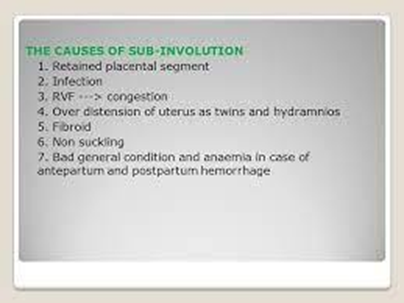
What are the most common causes for subinvolution of the uterus?
Uterine tetany and overproduction of oxytocin
Multiple gestation and postpartum hemorrhage
Retained placental fragments and infection
Postpartum hemorrhage and infection
The Correct Answer is C
A. Uterine tetany and overproduction of oxytocin are not typically associated with subinvolution.
B. Multiple gestation and postpartum hemorrhage may contribute to uterine atony but not necessarily subinvolution.
C. The most common causes of subinvolution are retained placental fragments and infection.
D. Postpartum hemorrhage may contribute to uterine atony but is not a direct cause of subinvolution.
Nursing Test Bank
Naxlex Comprehensive Predictor Exams
Related Questions
Correct Answer is A
Explanation
A. Breast milk typically comes in 3 to 5 days postpartum.
B. This timeline is too early for the onset of mature breast milk.
C. This timeline is too late for the onset of mature breast milk.
D. This timeline is too late for the onset of mature breast milk.
Correct Answer is C
Explanation
A. Acrocyanosis is a normal finding in newborns and does not require immediate intervention.
B. Not passing meconium within the first 24 hours is not uncommon and may be normal.
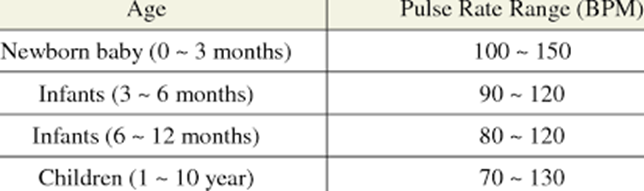
C. Persistent tachycardia in a newborn, especially with a heart rate of 180 bpm, requires immediate intervention as it may indicate a cardiac or other medical issue.
D. Not voiding within the first 24 hours may be normal, but it should be monitored.
Whether you are a student looking to ace your exams or a practicing nurse seeking to enhance your expertise , our nursing education contents will empower you with the confidence and competence to make a difference in the lives of patients and become a respected leader in the healthcare field.
Visit Naxlex, invest in your future and unlock endless possibilities with our unparalleled nursing education contents today