
The nurse knows a patient with type 1 diabetes needs more education when the patient makes which of the following statements?
“I must take insulin pills for the rest of my life."
“I will count my carbohydrates at each meal and snack."
“I will monitor my feet carefully every day."
"I will try to keep my blood glucose between 80 and 130 mg/dL before meals."
The Correct Answer is A
A. Insulin is typically administered via injections or an insulin pump, not in pill form. Individuals with type 1 diabetes require exogenous insulin to manage their blood sugar levels because their pancreas does not produce insulin.
B. Carbohydrate counting is a fundamental skill for individuals with diabetes, as it allows them to adjust their insulin dosage to match their carbohydrate intake, thereby helping to manage blood sugar levels.
C. Regular foot monitoring is crucial for individuals with diabetes, as they are at increased risk of developing foot problems due to nerve damage (neuropathy) and poor circulation.
D. Maintaining blood glucose levels within the target range (80-130 mg/dL before meals) helps reduce the risk of both short-term complications (e.g., hypoglycemia) and long-term complications (e.g., neuropathy, retinopathy) associated with diabetes.
Nursing Test Bank
Naxlex Comprehensive Predictor Exams
Related Questions
Correct Answer is D
Explanation
D. Alpha cells, also known as A cells, are a type of pancreatic islet cell (or islet of Langerhans cell) that secretes glucagon. Glucagon plays a crucial role in increasing blood sugar levels by promoting the breakdown of glycogen in the liver and stimulating the release of glucose into the bloodstream.
A. Plasma cells are a type of white blood cell that produces antibodies as part of the immune response. They are not involved in the production of glucagon.
B. Acinar cells are exocrine cells found in the pancreas that secrete digestive enzymes into the pancreatic ducts. These enzymes aid in the digestion of food in the small intestine. Acinar cells are not involved in the production of glucagon.
C. Beta cells are another type of cell in the pancreas, but they secrete insulin, not glucagon. Insulin is responsible for lowering blood sugar levels by promoting the uptake of glucose into cells for energy or storage.
Correct Answer is B
Explanation
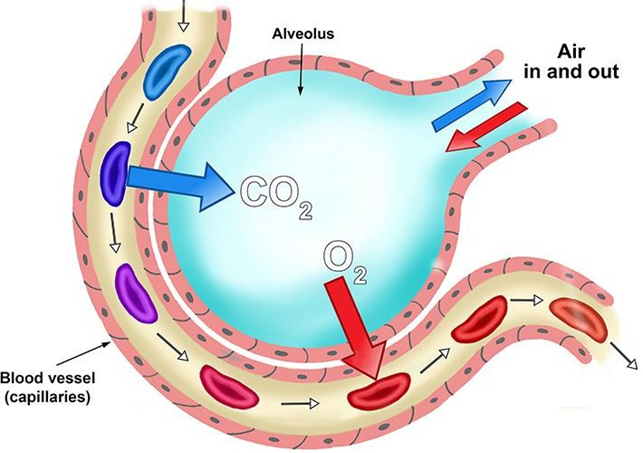
B. The alveoli are tiny air sacs within the lungs where gas exchange occurs. Oxygen from inhaled air diffuses across the thin walls of the alveoli into the bloodstream, while carbon dioxide moves from the bloodstream into the alveoli to be exhaled.
A. The bronchi are the main airways that branch off from the trachea and lead to the lungs. While the bronchi play a crucial role in conducting air to and from the lungs, gas exchange does not occur in the bronchi themselves.
C. The nasal passages, also known as the nostrils or nares, are the passages through which air enters the respiratory system. While the nasal passages warm, humidify, and filter the air as it enters the body, gas exchange does not occur in this area.
D. The larynx, or voice box, is located at the top of the trachea and is involved in breathing, swallowing, and vocalization. However, gas exchange does not occur in the larynx.
Whether you are a student looking to ace your exams or a practicing nurse seeking to enhance your expertise , our nursing education contents will empower you with the confidence and competence to make a difference in the lives of patients and become a respected leader in the healthcare field.
Visit Naxlex, invest in your future and unlock endless possibilities with our unparalleled nursing education contents today