
The nurse is reading a patient's chart and notes the patient has a tumor stage of IV. Which describes the meaning of stage IV cancer?
Tumor in situ, no invasion of other tissues.
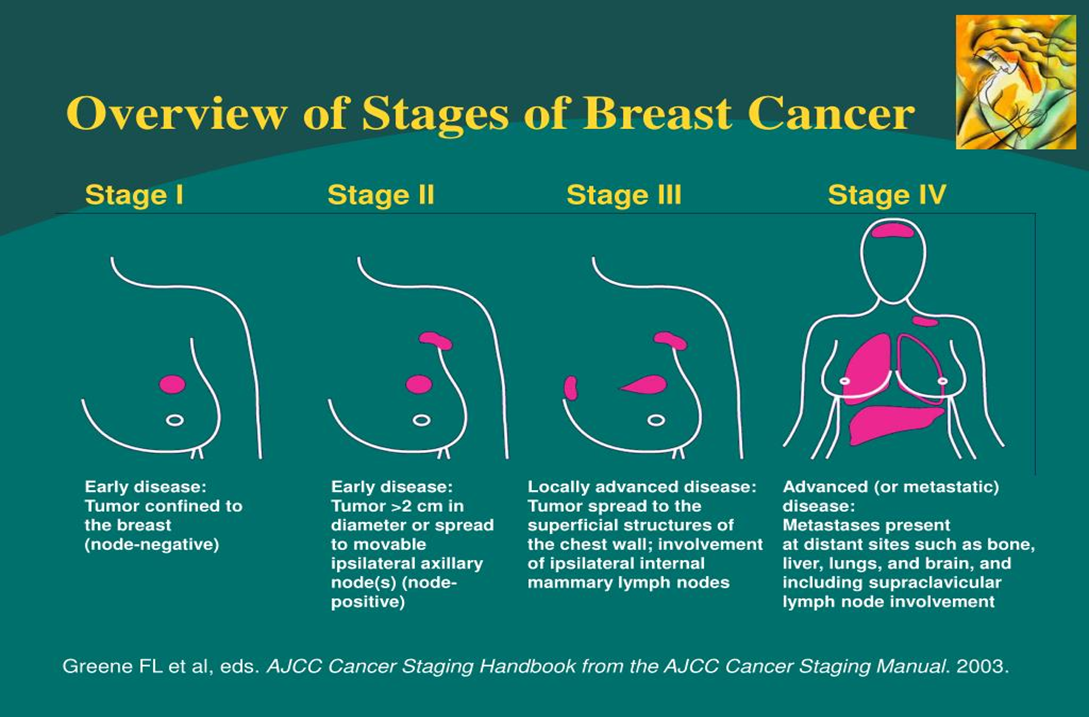
Distant metastasis to other sites.
Abnormal cells present, has spread into nearby tissues.
No abnormal cells.
The Correct Answer is B
Choice A reason: Tumor in situ refers to a tumor that has not invaded surrounding tissues, which is not indicative of stage IV cancer.
Choice B reason: Stage IV cancer is characterized by distant metastasis, meaning the cancer has spread to other sites away from the primary location.
Choice C reason: While the spread into nearby tissues indicates progression, it does not necessarily mean stage IV unless there is distant metastasis.
Choice D reason: The presence of no abnormal cells would not be consistent with any stage of cancer.
Nursing Test Bank
Naxlex Comprehensive Predictor Exams
Related Questions
Correct Answer is D
Explanation
Choice A reason: A sodium level of 138 milliequivalents per liter is within the normal range and does not indicate metastasis.
Choice B reason: A hemoglobin level of 10.5 grams per deciliter is slightly low but does not specifically indicate metastasis.
Choice C reason: A potassium level of 3.4 milliequivalents per liter is within the normal range and does not indicate metastasis.
Choice D reason: A calcium level of 12.5 milligrams per deciliter is elevated, which may indicate metastasis to the bones, a common site for breast cancer metastasis.
Correct Answer is A
Explanation
Choice A reason: Dehiscence refers to the separation of layers of a surgical wound, which may be partial or complete.
Choice B reason: Evisceration is a more severe complication where the wound opens and internal organs may protrude.
Choice C reason: Gaping refers to a wound that is open but does not necessarily indicate the layers have separated, as in dehiscence.
Choice D reason: Distention generally refers to swelling or enlargement of an organ or area, not specifically to the opening of a wound.
Whether you are a student looking to ace your exams or a practicing nurse seeking to enhance your expertise , our nursing education contents will empower you with the confidence and competence to make a difference in the lives of patients and become a respected leader in the healthcare field.
Visit Naxlex, invest in your future and unlock endless possibilities with our unparalleled nursing education contents today