
The nurse is performing a mental health assessment for a client with schizophrenia. Which statement made by the client demonstrates that the client is having auditory hallucinations?
"Those voices keep telling me that I need to get a knife and cut myself."
"Can you hear those children singing in the room with us?"
"I keep smelling feces in the room, and I can't get the odor out of my nose."
"I keep tasting things that are foul like onions and garlic, but I don't eat those."
The Correct Answer is A
Choice A reason: This statement clearly indicates the presence of auditory hallucinations, which are a common symptom of schizophrenia.
Choice B reason: While this could suggest auditory hallucinations, it could also be a question about shared experience and not necessarily indicative of a hallucination.
Choice C reason: Smelling feces where there is none could indicate an olfactory hallucination, which is less common than auditory hallucinations in schizophrenia.
Choice D reason: Tasting foul substances that are not present could suggest gustatory hallucinations, which, like olfactory hallucinations, are less common in schizophrenia.
Nursing Test Bank
Naxlex Comprehensive Predictor Exams
Related Questions
Correct Answer is ["A","C","D","E"]
Explanation
Choice A reason: Akathisia is characterized by restlessness and a constant urge to move. It is a common side effect of antipsychotic medications.
Choice B reason: Neuroleptic malignant syndrome is a rare but serious reaction to antipsychotic drugs and is not classified as an extrapyramidal symptom.
Choice C reason: Dystonia involves involuntary muscle contractions and spasms, often affecting the head and neck, and is a known extrapyramidal symptom.
Choice D reason: Tardive dyskinesia is marked by repetitive, involuntary movements, typically of the face and extremities, and is an extrapyramidal symptom that can occur after long-term use of antipsychotics.
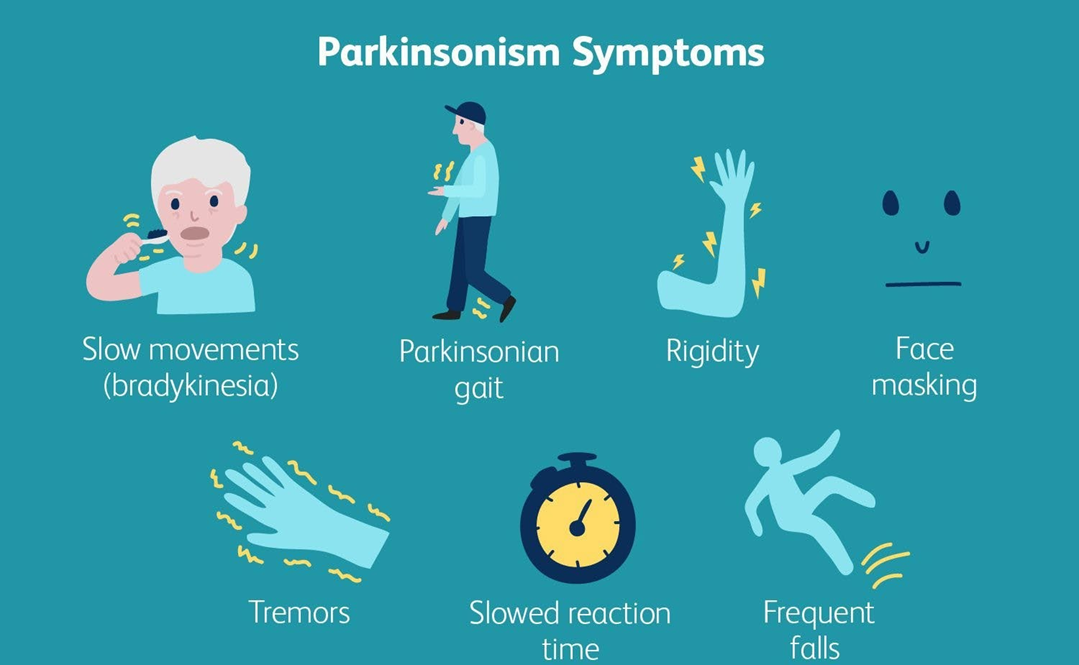
Choice E reason: Pseudo-parkinsonism mimics symptoms of Parkinson's disease, such as tremors and slowed movement, and is an extrapyramidal side effect of antipsychotic medications.
Correct Answer is C
Explanation
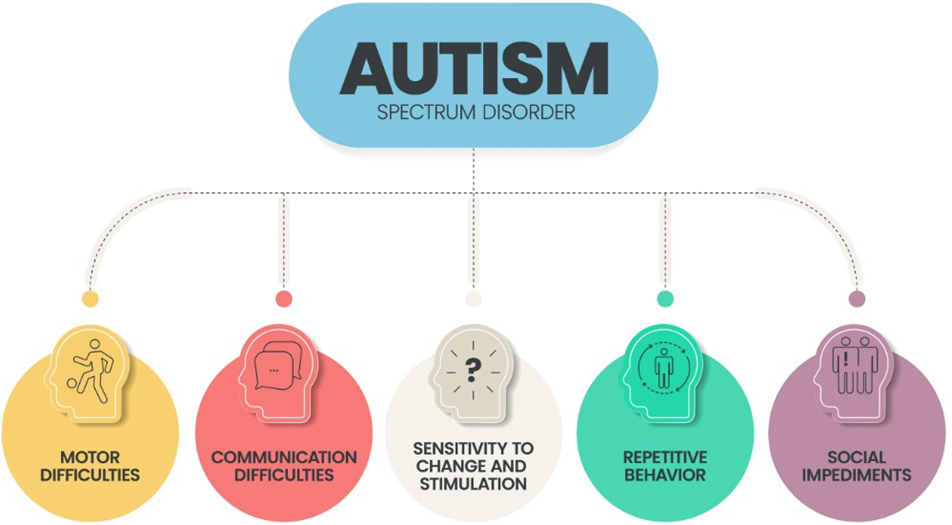
Choice A reason: Multiple motor and vocal tics are more indicative of Tourete syndrome, not autism spectrum disorder.
Choice B reason: Overly atached behavior is not typically associated with autism spectrum disorder; individuals with ASD may struggle with social atachments.
Choice C reason: This is the correct choice. Individuals with autism spectrum disorder often display a preference for solitary activities and may have difficulty forming friendships.
Choice D reason: An irresistible urge to pull out one's hair is characteristic of trichotillomania, not autism spectrum
disorder.
Whether you are a student looking to ace your exams or a practicing nurse seeking to enhance your expertise , our nursing education contents will empower you with the confidence and competence to make a difference in the lives of patients and become a respected leader in the healthcare field.
Visit Naxlex, invest in your future and unlock endless possibilities with our unparalleled nursing education contents today