
The nurse is caring for a toddler with acute laryngotracheobronchitis. Which action aids in bronchodilation to improve breathing for this child?
Teaching the child to take long, slow breaths
Assisting with racemic epinephrine nebulizer therapy
Administering an oral analgesic
Administering a corticosteroid
The Correct Answer is B
A. Teaching the child to take long, slow breaths:
While teaching slow breathing techniques can be helpful in managing anxiety and promoting a sense of calm, it may not directly address the underlying airway inflammation and bronchodilation needed in acute laryngotracheobronchitis.
B. Assisting with racemic epinephrine nebulizer therapy:
Racemic epinephrine is a medication that contains epinephrine, a bronchodilator. Nebulizer therapy with racemic epinephrine helps reduce airway inflammation, allowing for bronchodilation and improved breathing. This is a common intervention for managing acute respiratory distress in conditions like croup.
C. Administering an oral analgesic:
Oral analgesics, such as pain medications, can provide relief from discomfort or pain, but they do not directly address the bronchodilation needed for conditions like acute laryngotracheobronchitis.
D. Administering a corticosteroid:
Corticosteroids have anti-inflammatory properties and can help reduce swelling and inflammation in the airways. By doing so, they contribute to bronchodilation and improved breathing in conditions like croup. Corticosteroids are often used as part of the treatment plan for acute laryngotracheobronchitis.
Nursing Test Bank
Naxlex Comprehensive Predictor Exams
Related Questions
Correct Answer is ["1.75"]
Explanation
To administer the correct dose of ampicillin IM, the nurse needs to calculate the amount of solution to draw up from the vial.
The vial contains 1 g of ampicillin in 5 mL of solution, which means that each mL has 200 mg of ampicillin.
To get 350 mg of ampicillin, the nurse needs to divide 350 by 200, which gives 1.75.
Therefore, the nurse needs to draw up 1.75 mL of solution for an IM injection.
Correct Answer is C
Explanation
A. Rubella:
Rubella, also known as German measles, typically presents with a rash that starts on the face and spreads to the trunk and limbs. It does not cause Koplik spots, the small red spots with a blue-white center mentioned in the scenario.
B. Varicella:
Varicella, or chickenpox, is characterized by an itchy rash that progresses to fluid-filled vesicles. It does not typically involve Koplik spots, and the scenario doesn't describe a vesicular rash.
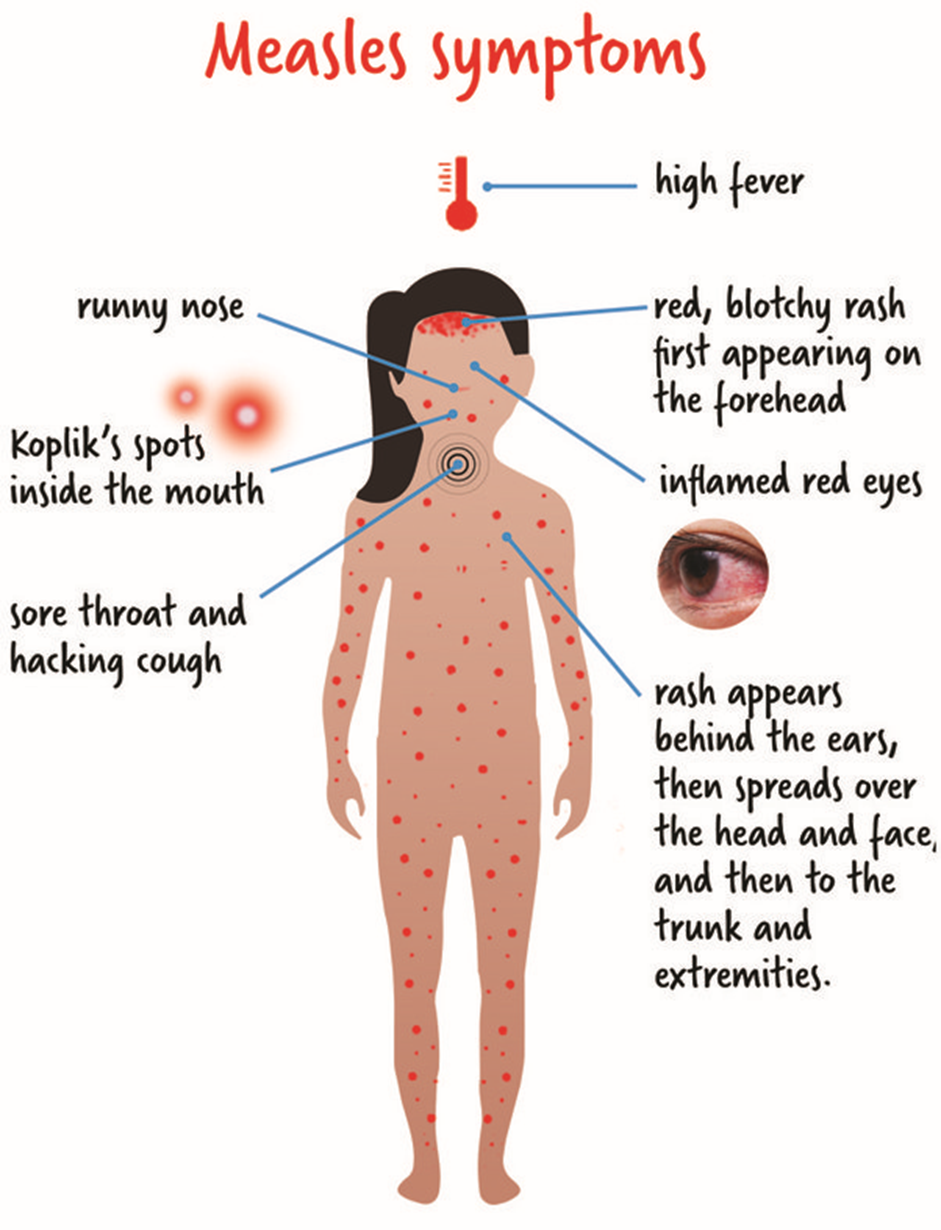
C. Rubeola (Measles):
Rubeola, or measles, presents with symptoms such as high fever, cough, rhinitis, and conjunctivitis. The characteristic Koplik spots, small red spots with a blue-white center, often appear on the buccal mucosa. This matches the description in the scenario.
D. Infectious Mononucleosis:
Infectious Mononucleosis is characterized by symptoms like fever, sore throat, and swollen lymph nodes. It does not present with the specific buccal membrane spots seen in measles, and the scenario does not mention other typical signs of infectious mononucleosis.
Whether you are a student looking to ace your exams or a practicing nurse seeking to enhance your expertise , our nursing education contents will empower you with the confidence and competence to make a difference in the lives of patients and become a respected leader in the healthcare field.
Visit Naxlex, invest in your future and unlock endless possibilities with our unparalleled nursing education contents today