
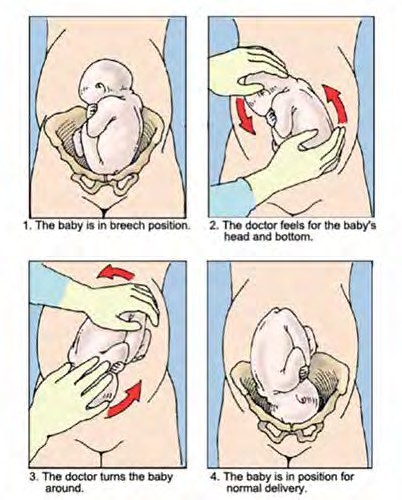
The nurse is caring for a term gestation pregnant patient who came into the office for an external cephalic version. Which of the following interventions would not be appropriate for this patient?
Verify the patient's blood type and prepare RhoGAM † necessary.
Have the patient ambulate before the procedure to see if the baby will turn.
Have the patient empty her bladder before the procedure.
Assess for contractions and fetal heart rate pattern before the procedure.
The Correct Answer is B
The patient should not be ambulating before the procedure as this may cause fetal descent and prevent the success of the version. The other interventions listed are appropriate and important for the safety and well-being of the patient and the fetus during the procedure.
Nursing Test Bank
Naxlex Comprehensive Predictor Exams
Related Questions
Correct Answer is C
Explanation
Infants of diabetic mothers (IDM) are at risk of hypoglycemia because they have been exposed to high levels of glucose in utero. The fetus responds to this high glucose level by producing high levels of insulin to regulate the glucose level. After delivery, the glucose supply from the mother is cut off and the infant's insulin levels remain high, leading to hypoglycemia.
Additionally, the infant's ability to produce glucose is immature and may not be sufficient to maintain normal blood glucose levels, especially if the infant is premature or small for gestational age. Therefore, IDM requires close monitoring of their blood glucose levels to prevent and treat hypoglycemia.
Correct Answer is A
Explanation
Assessing fetal heart rate (FHR) and maternal vital signs would be the highest priority nursing intervention when admitting a pregnant woman who has experienced a bleeding episode in late pregnancy. This is because fetal distress or maternal instability may require immediate medical intervention, such as delivery via emergency cesarean section or blood transfusions, respectively.
Therefore, assessing the FHR and maternal vital signs will help to determine the urgency of the situation and guide the next steps in the management of the patient. Once the patient's condition has stabilized, performing venipuncture for hemoglobin and hematocrit levels, monitoring uterine contractions, and placing clean disposable pads to collect any drainage can be done as appropriate.
Whether you are a student looking to ace your exams or a practicing nurse seeking to enhance your expertise , our nursing education contents will empower you with the confidence and competence to make a difference in the lives of patients and become a respected leader in the healthcare field.
Visit Naxlex, invest in your future and unlock endless possibilities with our unparalleled nursing education contents today