
The nurse is assessing the client with a recent pacemaker placement. The client's monitor is displaying what type of rhythm?
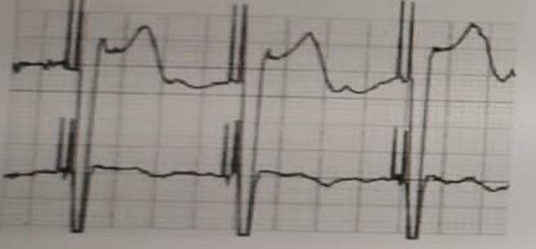
The pacemaker is pacing abnormally
Biventricular, pacing in both ventricles
Atrial paced rhythm
Atrial and ventricular pacing
The Correct Answer is D
A. This would be concerning, but it is not the correct choice. If a pacemaker is functioning abnormally, it would require an assessment and troubleshooting, not simply a routine rhythm.
B. This is typical for biventricular pacemakers used in heart failure patients, but it would not apply to a patient with a standard pacemaker unless specified. A recent pacemaker placement does not necessarily indicate biventricular pacing.
C. This is correct if only the atrium is paced; however, in the case of a typical pacemaker like DDD (dual- chamber pacemaker), both the atrium and ventricle are paced.
D. This is correct for dual-chamber pacemakers (like DDD), which pace both the atrium and the ventricle to coordinate the heart's rhythm.
Nursing Test Bank
Naxlex Comprehensive Predictor Exams
Related Questions
Correct Answer is ["A","C","D"]
Explanation
A. Increased respiratory rate - Fluid overload can lead to pulmonary edema, which causes difficulty breathing and an increased respiratory rate.
B. Increased temperature - Fluid overload does not typically cause a temperature increase. A fever may indicate infection rather than fluid overload.
C. Increased heart rate - The body compensates for fluid overload by increasing the heart rate to maintain cardiac output.
D. Increased blood pressure - Fluid overload leads to increased blood volume, which results in elevated blood pressure.
E. Increase hematocrit - Hematocrit usually decreases with fluid overload, as it is diluted by the extra fluid volume.
Correct Answer is ["13.8"]
Explanation
The patient weighs 121 lbs, which is approximately 55 kg (121 ÷ 2.2).
The prescribed dose is 1 mg/kg, so the patient requires 55 mg of furosemide. The medication is supplied at a concentration of 40 mg per 10 mL.
To find out how many mL of furosemide to administer, set up a proportion: 40 mg is to 10 mL as 55 mg is to X mL.
Therefore, the nurse should administer 13.8 mL of furosemide, rounding to the nearest tenth.
Whether you are a student looking to ace your exams or a practicing nurse seeking to enhance your expertise , our nursing education contents will empower you with the confidence and competence to make a difference in the lives of patients and become a respected leader in the healthcare field.
Visit Naxlex, invest in your future and unlock endless possibilities with our unparalleled nursing education contents today