
Patient teaching regarding expectorants should instruct the patient to perform which action?
Increase fluid intake to decrease the viscosity of secretions.
Take the medication once a day only, usually at bedtime.
Increase fiber and fluid intake to prevent constipation.
Restrict fluids to decrease mucus production.
The Correct Answer is A
Expectorants are medications that help thin and loosen mucus in the respiratory tract, making it easier to cough up and clear from the airways. Increasing fluid intake, particularly water helps to keep the mucus thin and less sticky, facilitating its removal. Adequate hydration can help promote effective expectoration and relieve congestion.
The other options are incorrect because:
B. Taking the medication once a day only, usually at bedtime: The dosing frequency and timing of expectorants can vary depending on the specific medication prescribed. It is important to follow the healthcare provider's instructions regarding the dosing schedule.
C. Increase fiber and fluid intake to prevent constipation: This instruction is unrelated to expectorant use. Increasing fiber and fluid intake is commonly recommended to promote regular bowel movements and prevent constipation, but it is not directly related to expectorant therapy.
D. Restrict fluids to decrease mucus production: Restricting fluids can lead to dehydration and thickening of mucus secretions. It is important to stay adequately hydrated to maintain thin and easily expectorated mucus. Restricting fluids is not recommended for managing mucus production.
Nursing Test Bank
Naxlex Comprehensive Predictor Exams
Related Questions
Correct Answer is B
Explanation
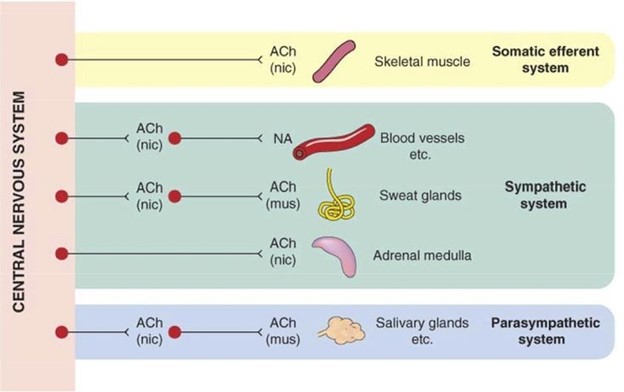
The Parasympathetic Nervous System utilizes the neurotransmitter acetylcholine. Acetylcholine is released by the postganglionic neurons of the parasympathetic nervous system and acts on target organs and tissues to elicit parasympathetic responses. It plays a crucial role in regulating various bodily functions, including digestion, heart rate, respiratory rate, and other rest and digestion activities.
Correct Answer is C
Explanation
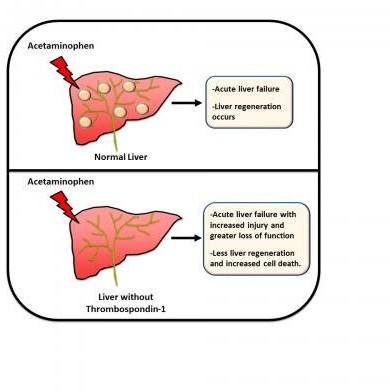
Acetaminophen is generally considered safe and well-tolerated when used appropriately. However, it is primarily metabolized by the liver, and in cases of severe hepatic impairment or liver failure, the metabolism of acetaminophen can be significantly impaired. This can lead to the accumulation of toxic metabolites, which can cause further liver damage and potentially result in hepatotoxicity.
Hypertension, gallbladder disease, and tachyarrhythmias are not typically considered contraindications for the use of acetaminophen. However, it is important to consider any potential interactions or precautions when using acetaminophen in patients with these conditions, and consulting with a healthcare provider is recommended to ensure the safe and appropriate use of the medication.
Whether you are a student looking to ace your exams or a practicing nurse seeking to enhance your expertise , our nursing education contents will empower you with the confidence and competence to make a difference in the lives of patients and become a respected leader in the healthcare field.
Visit Naxlex, invest in your future and unlock endless possibilities with our unparalleled nursing education contents today