
The nurse teaches the client that the major disadvantage of antitussive therapy on Robitussin A-C is that:
The dose of the medication that the client receives could cause drowsiness.
The medication is irritating to the bronchial tree.
The client may use the medication for 14 days.
The medication is very expensive
The Correct Answer is A
Robitussin A-C contains codeine, which is an opioid antitussive that can have sedating effects. One of the major disadvantages of using this medication is the potential for drowsiness as a side effect. This can impair the client's ability to perform tasks that require alertness and can interfere with daily activities.
The other options listed are not the major disadvantage of antitussive therapy with Robitussin A-C:
The medication is irritating to the bronchial tree: Robitussin A-C is primarily used as an antitussive (cough suppressant) rather than for its effects on the bronchial tree. While it may have some mild irritant properties due to certain ingredients, it is not considered a major disadvantage of this medication.
The client may use the medication for 14 days: The duration of use for Robitussin A-C is typically determined by the healthcare provider based on the client's condition. While prolonged use of antitussives is generally not recommended without medical supervision, the duration of use is not considered the major disadvantage of this medication.
The medication is very expensive: The cost of medication can vary, and while cost may be a consideration for some individuals, it is not considered the major disadvantage of Robitussin
A-C specifically. The major disadvantage relates more to the potential for drowsiness caused by the medication.
Nursing Test Bank
Naxlex Comprehensive Predictor Exams
Related Questions
Correct Answer is A
Explanation
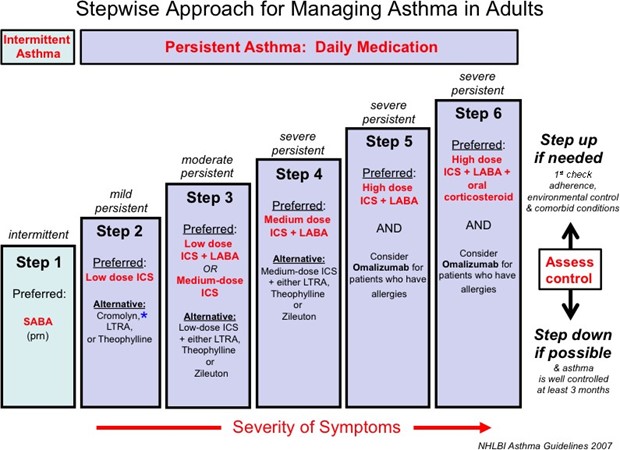
A. Albuterol is a bronchodilator that provides quick relief by relaxing the muscles around the airways, making it essential to use before a corticosteroid like beclomethasone, which reduces inflammation. Using albuterol first allows for better delivery of the beclomethasone to the airways.
B. I will use both medications immediately after exercising. Albuterol may be used as a rescue inhaler before exercise to prevent exercise-induced bronchospasm, but beclomethasone is a maintenance medication and should not be used immediately after exercising unless prescribed.
C. "If my breathing begins to feel tight, I will use the beclomethasone inhaler immediately.” Beclomethasone is a long-term control medication, not a rescue inhaler. If breathing feels tight or there is an asthma attack, the client should use the albuterol inhaler for immediate relief.
D. I will administer the medications 10 minutes apart.While there is no strict rule about the timing between inhaler uses, the albuterol should be used first to open the airways, and while waiting a few minutes is acceptable, the emphasis should be on using albuterol before beclomethasone rather than a specific time frame.
Correct Answer is C
Explanation
Pseudoephedrine is a sympathomimetic medication that acts as a decongestant by constricting blood vessels in the nasal passages, which helps to relieve sinus congestion. However, it can also cause vasoconstriction in other parts of the body, leading to an increase in blood pressure. Therefore, it is contraindicated for individuals with hypertension (high blood pressure).
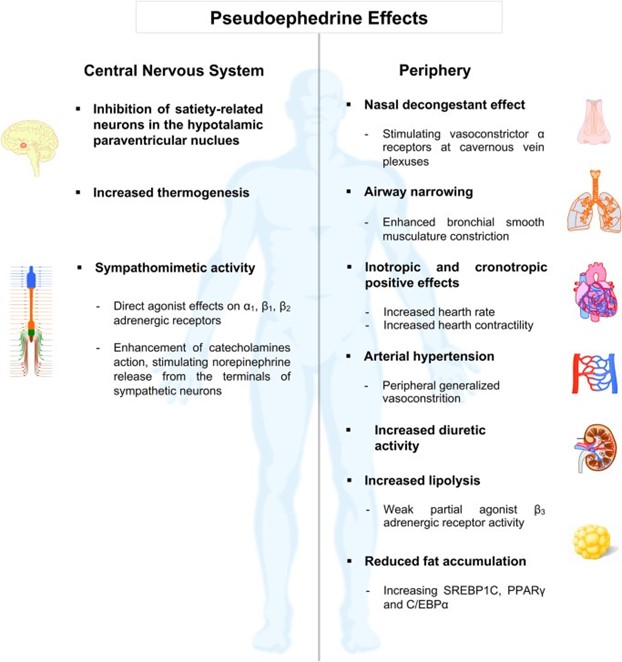
The other conditions mentioned, migraines, eczema, and diverticulitis, are not contraindications for the use of pseudoephedrine. However, it is important for individuals with these conditions to consult their healthcare provider before taking pseudoephedrine, as it may interact with other medications or exacerbate certain symptoms.
Whether you are a student looking to ace your exams or a practicing nurse seeking to enhance your expertise , our nursing education contents will empower you with the confidence and competence to make a difference in the lives of patients and become a respected leader in the healthcare field.
Visit Naxlex, invest in your future and unlock endless possibilities with our unparalleled nursing education contents today